


How to Treat Frozen Shoulder for Faster Recovery

Frozen shoulder (adhesive capsulitis) is a joint disorder that may cause muscle spasms and joint pain. So, how can frozen shoulder be treated effectively and rapidly?
How to Treat Frozen Shoulder Effectively and Rapidly
Exercise therapy is an effective approach for treating frozen shoulder. During leisure time, place both hands behind your head and gently tilt your head backward, or stand upright with your back against a wall. Repeat this several times, ensuring the back of your head touches the wall—this helps strengthen neck muscles. Additionally, practicing Tai Chi, using a stretcher, lifting dumbbells, or performing arm-swinging exercises can be beneficial; however, exercise intensity must be carefully controlled. To prevent injury to the shoulder joint and surrounding soft tissues, gradually increase activity levels.
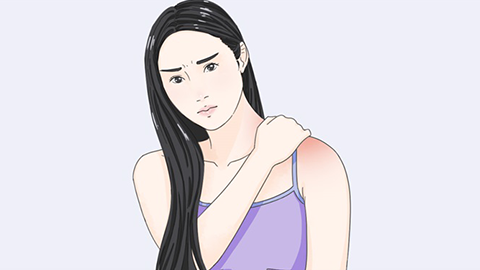
Massage therapy can help alleviate pain associated with frozen shoulder, typically performed under the guidance of a qualified massage therapist. Massage the affected joint every few minutes, focusing especially on tender points—apply firm thumb pressure for approximately five minutes. Cupping therapy is also safe and suitable for middle-aged and elderly patients with frozen shoulder. During treatment, cups may be applied to the anterior-lateral and posterior aspects of the affected shoulder; targeting the most painful area yields optimal results. Vacuum cupping devices may also be used. Each cupping session lasts about six minutes. After cupping, gentle shoulder movement is encouraged; repeat cupping the following day.
Numerous methods exist to improve frozen shoulder symptoms; however, some require professional expertise, and pharmacological intervention—including analgesics—may be necessary for significant pain. We hope this article has been helpful. Wishing you a joyful life and good health!


