


What Causes Periarthritis of the Shoulder?
Aug 24, 2022
Source: Cainiu Health

Dr. Lin Yunfei
Introduction
Periarthritis of the shoulder may be caused by trauma, overexertion, or endocrine disorders.
Trauma: The shoulder joint is the most mobile joint in the human body; therefore, injury to any part of the shoulder may result in muscle strain, potentially triggering this condition. The emergence of certain pathological changes inevitably leads to shoulder joint dysfunction, causing pain and restricted movement during shoulder joint motion.
Frozen shoulder (adhesive capsulitis) poses significant health risks to the human body; however, many people are unaware of its underlying causes. So, what exactly causes frozen shoulder?
What Causes Frozen Shoulder?
Frozen shoulder may result from trauma, overuse, or endocrine disorders. Trauma: The shoulder joint is the most mobile joint in the human body. Injury to any part of the shoulder—such as muscle strain—can trigger this condition. The emergence of certain pathological changes inevitably leads to functional impairment of the glenohumeral joint, causing pain and restricted movement during shoulder motion.

Chronic fatigue: Prolonged physical labor places continuous demands on the shoulders. In particular, the shoulder joint is surrounded by relatively weak soft tissues, and the long lever arm of the upper limb results in greater mechanical stress during movement—making it highly susceptible to fatigue. When the shoulder joint sustains fatigue-related injury, surrounding muscles, tendons, ligaments, and fascia become congested and exude fluid, leading to primary inflammatory changes in the periaricular tissues and subsequent restriction of shoulder mobility.
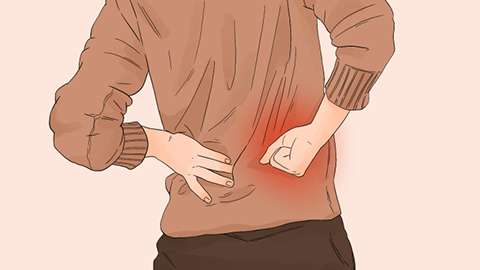
Endocrine disorders: Frozen shoulder predominantly affects individuals around age 50. Its incidence declines markedly beyond this age group. Moreover, the age range of approximately 50 years coincides with a peak prevalence of endocrine disturbances and menopausal syndrome. Notably, frozen shoulder often resolves spontaneously within 2–3 years—a timeline consistent with the natural stabilization period observed in menopausal syndrome. Thus, frozen shoulder is believed to be associated with endocrine dysregulation. We hope this article has been helpful to you. Wishing you a joyful life and optimal health!


