


Causes of Intracerebral Hemorrhage
Aug 24, 2022
Source: Cainiu Health

Dr. Yang Jun
Introduction
The most common cause of intracerebral hemorrhage is cerebral arteriosclerosis induced by hypertension. Under the chronic influence of elevated blood pressure, small intracranial arteries undergo pathological changes such as hyaline degeneration and fibrinoid necrosis, and may even develop microaneurysms. Sudden fluctuations in blood pressure can then precipitate rupture of these diseased cerebral vessels, resulting in intracerebral hemorrhage.
Cerebral hemorrhage poses a serious threat to physical health; therefore, prompt treatment is critically important. What, then, are the causes of cerebral hemorrhage?
Causes of Cerebral Hemorrhage
The most common cause of cerebral hemorrhage is intracranial arteriosclerosis induced by hypertension. Under the prolonged influence of high blood pressure, small intracranial arteries undergo chronic pathological changes—including hyaline degeneration, fibrinoid necrosis, and even formation of microaneurysms. Sudden fluctuations in blood pressure may then trigger rupture of these compromised cerebral vessels, resulting in cerebral hemorrhage. Other causes include cerebrovascular malformations and cerebral amyloid angiopathy. Cerebral amyloid angiopathy can lead to recurrent lobar hemorrhages, seizures, and other clinical manifestations. Certain hematologic disorders—such as immune thrombocytopenic purpura (ITP) and hemophilia—may disrupt normal coagulation mechanisms and predispose individuals to cerebral hemorrhage. Additionally, adverse drug effects—particularly those associated with thrombolytic therapy—can also precipitate cerebral hemorrhage.
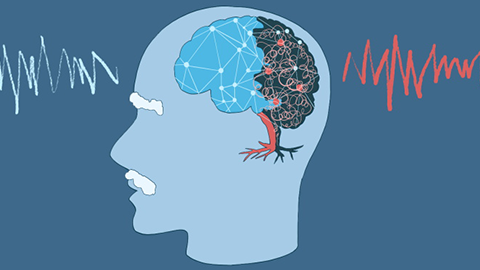
Patients with cerebral hemorrhage should avoid cold foods. Upon ingestion, cold foods can cause sudden gastrointestinal stimulation, leading to constriction of gastrointestinal blood vessels, elevated blood pressure, worsening of the condition, and potentially triggering further cerebral hemorrhage. Patients should also avoid high-salt foods. For their own health, salt intake must be restricted, aiming for a low-salt diet. Saturated fatty acids—found in foods such as those derived from the pituitary gland—significantly increase serum cholesterol levels and accelerate atherosclerosis. Therefore, consumption of high-cholesterol and high-fat foods should be limited. Patients should avoid high-sugar supplements, restrict refined sugar intake, and minimize frequent consumption of snacks and sugary beverages.

When patients exhibit symptoms suggestive of cerebral hemorrhage, they must seek medical attention immediately. We hope this information proves helpful to you.


