


What Can You Eat After a Tonsillectomy?

Numerous clinical approaches are available for treating tonsillitis. Generally, the most commonly used methods include pharmacological therapy and surgical intervention. Although drug therapy is more convenient and relatively less expensive, it carries a high risk of recurrence. Therefore, surgical treatment is considered one of the most effective options for managing chronic or recurrent tonsillitis. However, patients must carefully observe postoperative precautions to facilitate recovery. So, what foods are appropriate after tonsillectomy?
What Can Be Eaten After Tonsillectomy?
In the early postoperative period, patients should consume cold liquid foods—such as plain milk, fruit juice, soft drinks, and mineral water. These cold liquids are easy to swallow and minimize residue in the tonsillar fossa, thereby reducing the risk of contamination and infection. Starting on days 4–7 after surgery, patients may gradually transition to soft, semi-liquid foods—including congee (rice porridge), noodles, and minced chicken patties—as well as moderate amounts of lotus root starch. It is essential to maintain proper dietary habits following tonsillectomy, especially rinsing the mouth thoroughly after meals to prevent food debris from triggering local infection.
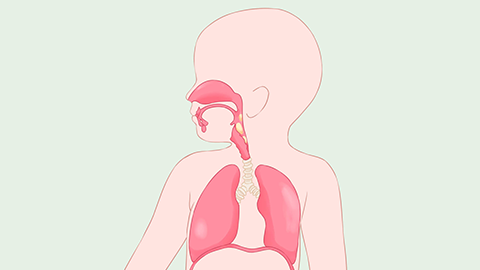
Tonsillectomy is a procedure performed under general or local anesthesia, involving complete removal of the tonsils using conventional instruments or minimally invasive surgical devices. Surgery is indicated when recurrent tonsillitis occurs three or more times per year, when the tonsils serve as a persistent inflammatory focus causing systemic complications elsewhere in the body, or when significant tonsillar hypertrophy impairs breathing or swallowing. In most hospitals, tonsillectomy is performed under general anesthesia, with exposure of the tonsillar pharyngeal cavity achieved under the same anesthetic conditions.
Patients are advised to avoid hard, spicy, or highly stimulating foods that require excessive chewing, and to limit intake of greasy or otherwise difficult-to-digest items. We hope this information proves helpful.


