


What Causes Nosebleeds in Children During Summer?

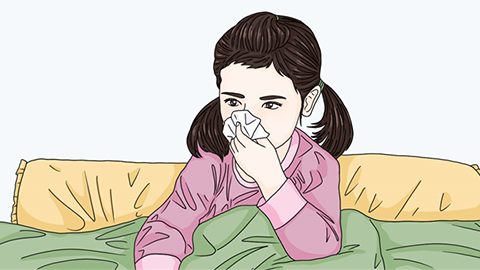
Many people—both adults and children—have experienced epistaxis (nosebleeds) in daily life. Especially during hot summer months, children may experience frequent nosebleeds due to various adverse environmental factors. So, what causes nosebleeds in children during summer?
Causes of Summer Nosebleeds in Children
1. Hot and dry weather can cause excessive drying of the nasal mucosa. Nosebleeds may occur when children rub or pick their noses forcefully, leading to rupture of delicate capillaries.
2. Underlying bleeding disorders or coagulation abnormalities. These conditions may be identified through routine blood tests and coagulation studies.
3. Consider potential hematologic malignancies, such as leukemia or aplastic anemia. Such diseases are often accompanied by additional signs of bleeding—including petechiae or ecchymoses on the skin, gastrointestinal bleeding—as well as persistent fever, hepatosplenomegaly, lymphadenopathy, and chronic anemia.

If a nosebleed occurs, apply a cold towel to the nose to constrict nasal blood vessels and help stop bleeding. Encourage the child to drink plenty of water, avoid pinching the nostrils with fingers, limit prolonged exposure to air-conditioned environments, and maintain good personal hygiene. Maintain a light, balanced diet—consuming overly greasy or spicy foods in summer may contribute to “internal heat” (a traditional concept associated with inflammation or irritation). Regular outdoor physical activity is also recommended to strengthen immunity.
It is advisable to visit an otolaryngology (ENT) clinic at a hospital for evaluation and diagnosis, followed by targeted treatment. Prior to establishing a definitive diagnosis, avoid administering medications or unproven home remedies to the child, as inappropriate interventions may lead to serious complications. We hope this information proves helpful. Wishing you good health and happiness!


