


How to Treat Tonsillar Hypertrophy in Children

Enlarged tonsils in children can significantly impact their health, predisposing them to various pharyngeal diseases and posing serious risks to their overall well-being. So, how should enlarged tonsils in children be treated?
How to Treat Enlarged Tonsils in Children
Enlarged tonsils in children can be managed through routine examinations, medical therapy, or surgical intervention. Also referred to as tonsillar hypertrophy, mild to moderate enlargement typically does not require specific treatment. However, when tonsillar enlargement exceeds Grade III—causing upper airway obstruction and impairing respiration—surgical removal (tonsillectomy) becomes necessary. During acute tonsillitis, local swelling or even abscess formation may occur. Importantly, the enlarged tonsils often fail to regress spontaneously, leading instead to chronic tonsillar hypertrophy.
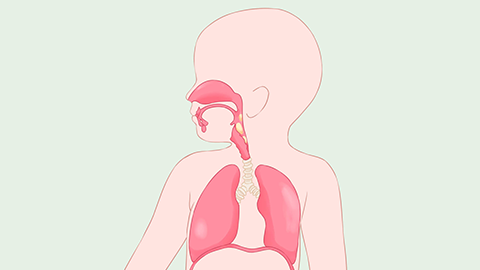
It is noteworthy that in children under five years of age, the tonsils remain highly active immunologically and play a crucial role in defending against infections. Therefore, if a child experiences an acute episode of tonsillitis—or suffers from comorbid conditions such as myocarditis, rheumatic disease, congenital heart disease, or asthma—surgery should only be performed after symptoms have resolved or following a period of appropriate medical management.

In daily life, it is essential to help children develop healthy habits. Encourage them to brush their teeth and rinse their mouths daily to maintain good oral hygiene. When washing their hair or bathing, take care to avoid exposure to drafts or cold air, which could otherwise exacerbate tonsillar symptoms. We hope this information proves helpful.


