


What Causes Frequent Nosebleeds in the Third Trimester of Pregnancy?

Symptoms may appear during the late stage of pregnancy. Some pregnant women may experience dyspnea due to hypoxia, which is also detrimental to the fetus. In the third trimester, supplemental oxygen is initially administered to enhance fetal oxygenation. Moreover, this helps ensure healthier fetal development. Concurrently, it benefits maternal labor and protects the fetal retina. So, what causes frequent epistaxis (nosebleeds) in late pregnancy?
What Causes Frequent Epistaxis in Late Pregnancy?
Epistaxis in late pregnancy is commonly triggered by upper respiratory infections or “excess internal heat,” leading to dilation and rupture of nasal capillaries. When a pregnant woman experiences nosebleeds, sterile cotton or gauze can be gently packed into the nasal cavity to control bleeding. Regular nasal irrigation with mild saline solution helps maintain mucosal moisture. Dietarily, intake of greasy foods should be minimized to prevent exacerbation of elevated blood lipid and blood pressure levels. Instead, consumption of fruits and vegetables rich in vitamins is encouraged. Additionally, adequate iron and blood-nourishing supplementation is recommended to prevent anemia and related symptoms.
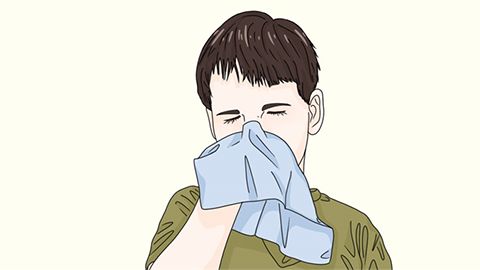
Common causes of epistaxis include nasal dryness, mucosal erosion, and ulceration—conditions that predispose small nasal vessels to bleed. If a pregnant woman experiences epistaxis during late pregnancy and the bleeding volume is modest, observation for a period may suffice. She should rest in bed, maintain emotional stability, and ensure regular bowel movements. Overeating and excessive physical activity should be avoided. However, if arterial bleeding occurs—especially if the volume is substantial—prompt referral to an otolaryngologist (ENT specialist) is warranted for nasal packing or endoscopic electrocautery hemostasis.In cases of rapid arterial hemorrhage, immediate nasal packing by a physician is essential; only effective nasal tamponade can achieve hemostasis.
In daily life, cultivating healthy lifestyle and dietary habits is crucial. We hope this information proves helpful.


