


Why Do I Always Feel Like Vomiting?

Every bodily response may signal something about your health. Sometimes you might assume that your dry heaves are caused by indigestion or eating greasy food; however, this symptom could actually stem from dietary factors or underlying physical abnormalities. So why do dry heaves persist?
Why Do Dry Heaves Persist?
Dry heaves may indicate gallbladder disorders—such as gallstones or cholecystitis—as well as liver conditions, including acute or chronic hepatitis or acute liver dysfunction. Gastrointestinal dysfunction—including chronic gastritis and gastric ulcers—may also cause dry heaves. In some cases, digestive tract malignancies—such as esophageal or gastric cancer—can present with this symptom. Functional dyspepsia is another common cause of dry heaves. Dry heaving is a frequently observed symptom group in gastroenterology. It refers to the sensation of nausea without actual vomiting. When nausea progresses to vomiting, stomach contents—including both digested and undigested food—are expelled. In contrast, dry heaving involves only the sensation of nausea and the urge to vomit, without expulsion of any material.
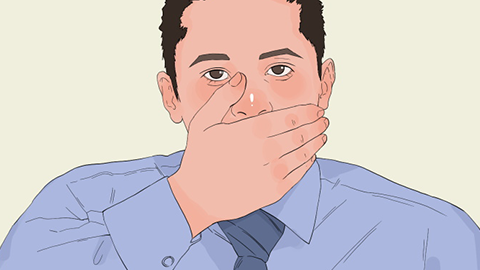
Besides organic diseases, functional dyspepsia is another potential cause. In functional dyspepsia, patients experience symptoms such as nausea and dry heaving, yet endoscopic examination, laboratory tests, and abdominal imaging reveal no structural abnormalities—i.e., no pathological changes in any organ.
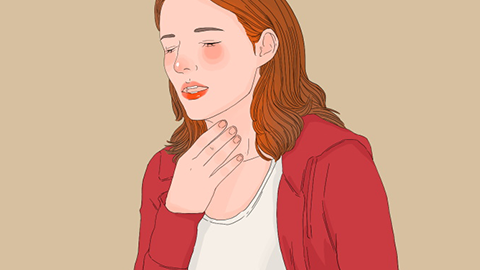
We recommend maintaining a light, easily digestible diet rich in vitamins. Avoid spicy, irritating, or greasy foods—especially fatty meals, which tend to exacerbate nausea. Suitable options include millet porridge, noodles, oatmeal soup, and egg drop soup. We hope this information proves helpful.


