


What does “dry retching” mean?

Some human diseases consistently cause physical discomfort, such as dry heaving. Dry heaving is a relatively unpleasant phenomenon characterized by repeated feelings of nausea and retching without expelling any stomach contents. This condition can occur in both men and women. When it appears in women, many people may suspect pregnancy—so what exactly does dry heaving mean?
What does dry heaving mean?
Dry heaving is a form of vomiting. Generally speaking, “dry heaving” refers to the act of retching with audible sounds, whereas “vomiting” involves the actual expulsion of gastric contents. In other words, dry heaving involves the physical motions and sounds associated with vomiting but without the ejection of any food or fluid—only the effort to vomit occurs. It is most commonly caused by improper diet, overeating, liver qi invading the stomach, or disharmony between the spleen and stomach. From a Western medical perspective, dry heaving may be linked to gastrointestinal disorders, chronic gastritis, esophagitis, or chronic pharyngitis.
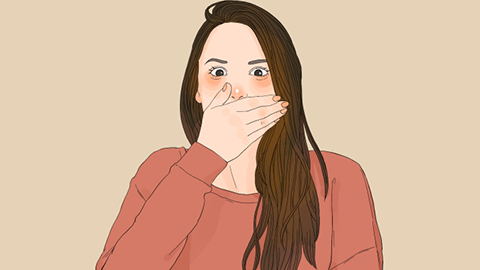
Dry heaving may also be associated with chronic pharyngitis; for instance, consuming spicy foods or smoking may trigger nausea after brushing teeth. Young women experiencing “plum pit qi” (a TCM term describing a sensation of a lump in the throat) may also present with dry heaving. Women of childbearing age should consider early pregnancy screening, as dry heaving can be an early sign of pregnancy. Blood or urine hCG testing can confirm whether pregnancy is present.
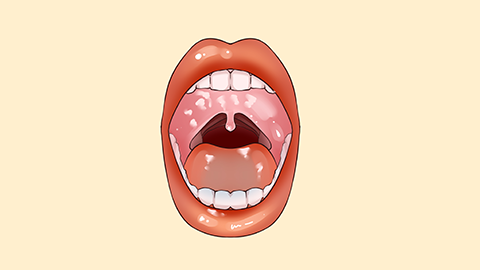
In daily life, maintaining regular eating habits, avoiding late-night activities, refraining from spicy or cold foods, abstaining from excessive alcohol consumption, and preventing overeating are all important. We hope this information is helpful to you.


