


Is it normal for a child to have a fever and nosebleeds?

Children sometimes develop a fever in daily life, and nosebleeds may occur concurrently. Is it normal for a child to experience nosebleeds while having a fever?
Is it normal for a child to have nosebleeds during a fever?
Nosebleeds accompanying fever in children are not normal. Many parents become anxious upon observing this abnormal symptom—especially when they see blood coming from their child’s nostrils. This phenomenon is partially related to fever: excessive fluid loss during fever, coupled with inadequate rehydration, can lead to dehydration, resulting in dry skin and nasal mucosa, thereby increasing the risk of nosebleeds. Additionally, excessive internal heat (“excess heat” in traditional Chinese medicine terms) may also contribute to epistaxis.
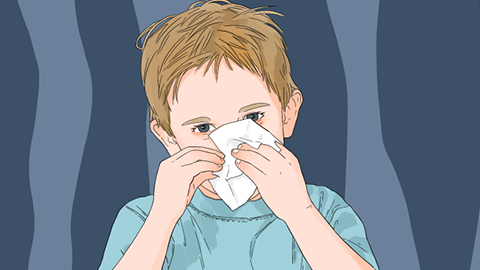
Fever management: Fever can be reduced using various physical cooling methods. Children with high fever require prompt antipyretic medication under medical guidance. Pediatric antipyretics should be selected strictly according to physician instructions; multiple options are available. Nosebleed management: Prompt hemostasis is essential when nosebleeds occur during fever. Rapid hemostasis may be achieved using hemostatic agents. Concurrently, intravenous administration of vitamin C and anti-inflammatory medications may be indicated. Timely infection control is critical; antiviral (e.g., ribavirin) or antibiotic (e.g., amoxicillin) therapy may be prescribed under physician supervision. If a child experiences severe nosebleeds alongside fever, immediate consultation at a reputable hospital is advised.

In addition to timely, symptom-directed treatment, children experiencing fever-associated nosebleeds should rest adequately, maintain a balanced diet, avoid “heat-inducing” foods (per traditional Chinese medicine principles), drink ample fluids to prevent dehydration-induced dryness of the nasal passages and throat, and consume abundant fruits and vegetables to support recovery. We hope this article has been helpful. Wishing you a joyful life and good health!


