


What are the common causes of frequent dry heaving and nausea?

Dry heaving and nausea are highly uncomfortable symptoms believed to affect many individuals. If these symptoms persist over a prolonged period, they can significantly impact mental well-being. Therefore, this issue should be addressed as soon as possible. Ignoring it repeatedly may lead to more serious physical complications. So, what are the common causes of recurrent dry heaving and nausea?
Common Causes of Recurrent Dry Heaving and Nausea
Recurrent dry heaving and nausea may stem from disorders intrinsic to the gastrointestinal tract—for example, gastroparesis, chronic intestinal pseudo-obstruction, pancreatitis, cholelithiasis, or acute gastrointestinal obstruction. They may also occur in association with neurological conditions such as migraine, intracranial infarction, hydrocephalus, meningitis, otitis media, Ménière’s disease, or benign paroxysmal positional vertigo (BPPV). Additionally, metabolic disorders—including diabetic ketoacidosis, hyperthyroidism, and hyponatremia—can manifest with these symptoms.
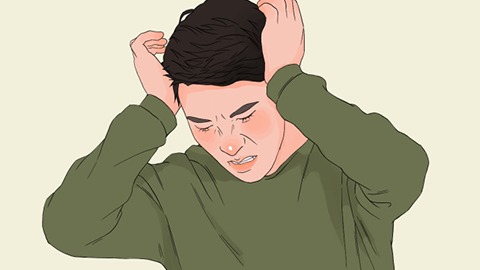
Frequent dry heaving and nausea may also be linked to psychological factors, chronic pharyngitis, dyspepsia, or peptic ulcer disease. Some individuals may experience heightened neural sensitivity upon exposure to pungent odors or certain foods, triggering episodes of dry heaving and nausea; avoidance of such triggers often helps alleviate these symptoms. Furthermore, excessive food retention in the stomach—leading to elevated gastric pressure—can also provoke recurrent dry heaving and nausea.

Patients are advised to maintain good dietary hygiene and consume light, easily digestible meals. We hope this information proves helpful.


