


How soon after becoming pregnant does nausea and vomiting typically begin?

In daily life, when people experience physical discomfort, they often become anxious about what might be wrong with their bodies. Therefore, if any symptoms arise, timely therapeutic interventions are necessary to address them. So, how soon after conception does nausea and vomiting typically begin?
How Soon After Conception Does Nausea and Vomiting Begin?
The majority of pregnant women begin experiencing early pregnancy symptoms—such as nausea, vomiting, fatigue, and breast tenderness—around six weeks after conception. These symptoms generally subside by approximately the end of the third month of pregnancy. Thus, if nausea and vomiting occur during early pregnancy, there is usually no need for excessive concern, as they represent normal early pregnancy reactions. However, vaginal bleeding or abdominal pain warrants heightened vigilance, as these signs often indicate a threatened miscarriage. In summary, experiencing early pregnancy symptoms is entirely normal. If nausea and vomiting become severe, symptomatic pharmacological treatment may be considered, along with increased intake of fresh fruits and vegetables.
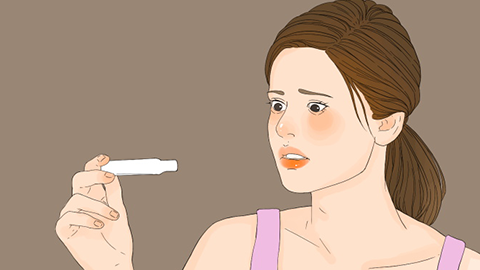
Many pregnant women experience nausea and vomiting as part of early pregnancy. As long as these symptoms do not interfere with normal dietary intake or overall health, the pregnancy can typically progress naturally without requiring specific medical intervention. Nevertheless, patients should undergo timely color Doppler ultrasound examinations to assess embryonic development within the uterine cavity. Additionally, women are advised to take an appropriate dose of folic acid during the first trimester (first three months) of pregnancy to help prevent fetal neural tube defects.

When nausea and vomiting occur following conception, prompt medical consultation is essential, and any medication should be administered strictly under physician supervision. We hope this information has been helpful to you.


