


Can nausea occur three days after conception?
Aug 24, 2022
Source: Cainiu Health

Dr. Chen Zhe
Introduction
Nausea is generally not experienced three days after conception. Early pregnancy symptoms typically begin to appear gradually around six weeks after the last menstrual period. By this time, human chorionic gonadotropin (hCG) levels rise significantly, gastric acid secretion decreases, and gastric emptying time is prolonged—leading to more noticeable early pregnancy symptoms. However, on the third day after conception, hCG levels in the body remain very low, so early pregnancy symptoms are usually absent or imperceptible. Most women do not experience any such symptoms at this stage.
In approximately half of all cases, morning sickness typically begins around 40 days after conception. In some instances, the symptoms are short-lived and improve within one to two months. In others, they persist longer; some women experience varying degrees of symptoms shortly after becoming pregnant—this is entirely normal. So, can nausea occur as early as three days after conception?
Can nausea occur three days after conception?
Nausea is generally not expected three days after conception. Early pregnancy symptoms usually begin gradually around six weeks after the last menstrual period (i.e., approximately four weeks post-conception). By this time, human chorionic gonadotropin (hCG) levels rise significantly, gastric acid secretion decreases, and gastric emptying slows. These physiological changes contribute to more pronounced early pregnancy symptoms. However, on day three after conception, hCG levels remain extremely low, and early pregnancy symptoms—including nausea, vomiting, or morning sickness—are typically absent. Most women do not yet experience such symptoms at this stage. If a woman does feel gastrointestinal discomfort or nausea, it is unlikely attributable to early pregnancy; rather, it may stem from other causes—including psychological factors. Importantly, early pregnancy reactions vary widely among individuals.
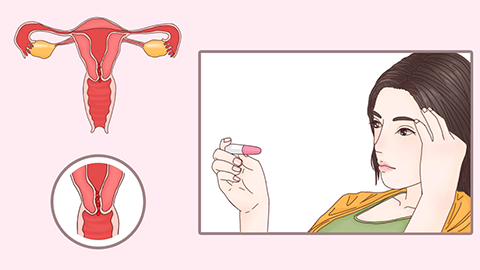
Pregnant women with severe hyperemesis gravidarum may require hospitalization and supportive nutritional therapy. When nausea and vomiting become severe, patients are often unable to eat normally, resulting in significant nutritional deficits that compromise maternal health and embryonic development. In such cases, intravenous nutritional supplementation—including lipid emulsions and amino acids—may be necessary. Antiemetic medications, such as vitamin B6, may also be prescribed to alleviate nausea and vomiting during pregnancy. The severity and presentation of nausea and vomiting can vary across different stages of gestation.
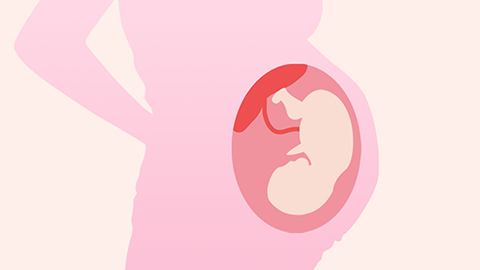
Early pregnancy symptoms tend to peak between weeks 8 and 10 and may necessitate prompt medical intervention. We hope this information has been helpful.



