


Nausea and dry heaving without vomiting in early pregnancy

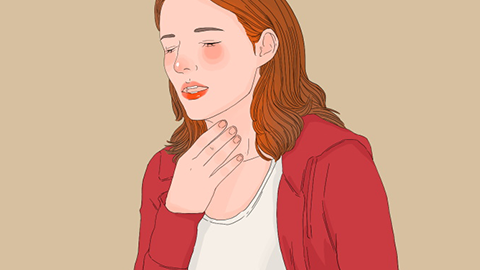
Many women experience nausea and vomiting during pregnancy—commonly referred to as “morning sickness” or, more colloquially, “the joyful affliction.” This is a completely normal physiological response. Mild nausea and vomiting typically have no adverse effect on the pregnant woman. However, if symptoms are severe, they may significantly reduce appetite and consequently compromise maternal health. So, what does it mean when a woman experiences nausea and dry heaving—without actual vomiting—during early pregnancy?
Nausea and Dry Heaving Without Vomiting in Early Pregnancy
This phenomenon occurs because hormone levels—including estrogen, progesterone, and prolactin—are markedly elevated—often several times higher than baseline levels. These hormonal surges act upon gastrointestinal smooth muscle, disrupting normal GI motility and leading to various digestive discomforts. Most women experience symptoms such as dry heaving, nausea, and vomiting—all typical manifestations of early pregnancy and entirely normal. Therefore, there’s no need for undue concern. If you feel nauseated or unwell, first try to relax and alleviate anxiety. Eat small, frequent meals, choosing foods you find appealing; consume more of those items if tolerated. In cases of persistent vomiting or inadequate oral intake, intravenous fluid therapy may be necessary to replenish vitamins, trace elements, and electrolytes.

During pregnancy, women often consciously opt for more nutritious foods. If nausea and vomiting occur specifically after consuming such foods, it may indicate either that the fetus does not currently require those particular nutrients—or that the food is contaminated. This reaction may represent one of the fetus’s innate protective mechanisms. Although the fetus remains largely inactive in early gestation, these maternal symptoms—nausea and vomiting—serve as indirect evidence of its presence. Historically, in ancient times, pregnancy was frequently diagnosed based on the onset of vomiting—further underscoring how these symptoms function as a biological signal affirming fetal existence.
We recommend choosing light, non-greasy foods during pregnancy. If vomiting is particularly severe, soothing options such as congee (rice porridge) or fresh fruits may be better tolerated. Avoid rushing to supplement nutrients aggressively. We hope this information proves helpful.


