


Can you eat fish when you have tonsillitis?

Almost everyone enjoys eating fish—it is both delicious and highly nutritious. Fish consistently occupies the most prominent place on banquet and festive dining tables, serving as a key ingredient in regional cuisines across China. However, not everyone can consume it safely. So, can individuals with tonsillitis eat fish?
Can individuals with tonsillitis eat fish?
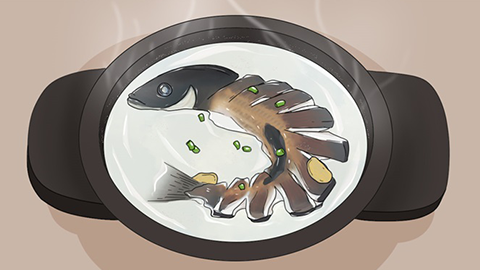
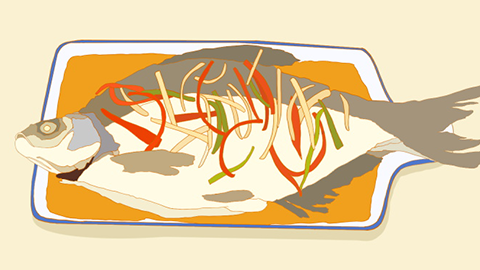
Patients with tonsillitis should avoid eating fish. In traditional Chinese medicine (TCM), fish is classified as a “pungent and heat-inducing” food, which may exacerbate internal heat pathogens and thereby worsen the condition. Dietary management for tonsillitis emphasizes light, bland foods—especially abundant vegetables and fruits—while minimizing or avoiding spicy, greasy, and stimulating foods. Seafood—including fish and shrimp—is strictly contraindicated. Patients should also abstain from smoking and alcohol, and avoid staying up late at night, as these habits may further aggravate internal heat and yin deficiency, intensifying tonsillitis symptoms.
For daily management, patients with tonsillitis may take herbal preparations such as honeysuckle (Lonicera japonica), scrophularia root (Scrophularia ningpoensis), ophiopogon tuber (Ophiopogon japonicus), platycodon root (Platycodon grandiflorus), fat sea bean (Sterculia lychnophora), and butterfly bush flower (Buddleja officinalis), brewed as a medicinal tea to replace plain water. These herbs help clear heat, resolve toxicity, and alleviate sore throat and pharyngeal swelling. Additionally, over-the-counter TCM formulations—including Pu Di Lan Anti-inflammatory Oral Liquid, Qin Lan Oral Liquid, Qing Kai Ling Granules, and Isatis Root Granules—may be taken orally to clear heat and detoxify. For more severe cases, consultation with a TCM practitioner is recommended: through the four diagnostic methods—observation, auscultation and olfaction, inquiry, and palpation—a personalized pattern differentiation will be performed, followed by customized herbal decoctions for comprehensive treatment. Patients experiencing recurrent tonsillitis may consider surgical intervention.
In daily life, patients must adhere to a bland diet and strictly avoid smoking and alcohol consumption, as these factors may significantly aggravate tonsillitis. We hope this information proves helpful. Wishing you optimal health and happiness!


