


Do men really get nosebleeds when they see beautiful women?

Such scenes frequently appear in films and television dramas: the male protagonist sees an attractive woman—or stumbles upon an alluring scene—and immediately experiences a sudden, forceful nosebleed, with blood gushing onto the floor. But is it true that men actually bleed from the nose upon seeing an attractive woman?
Can men really experience nosebleeds upon seeing an attractive woman?
Yes, men may experience nosebleeds upon seeing an attractive woman—but not because of attraction alone. Prior to encountering such a person, they may have consumed foods that elevate blood pressure. Additionally, individuals with pre-existing hypertension or fragile nasal blood vessel walls may bleed more easily when emotionally excited. In fact, nosebleeds occurring during such moments are often attributable to underlying nasal conditions—such as nasal inflammation causing mucosal erosion, dryness, or ulceration—which predispose the nasal passages to bleeding. Other common causes of epistaxis include nasal foreign bodies or tumors. Furthermore, systemic conditions—including hypertension, acute febrile infectious diseases, hematologic disorders, and hepatic or splenic diseases—may also contribute to nosebleeds.

Management of male epistaxis depends on the specific clinical scenario. If nosebleeds recur frequently, are severe, or involve substantial blood loss, patients should seek medical evaluation at a hospital for comprehensive assessment. This includes identifying the precise bleeding site within the nasal cavity and performing targeted local hemostasis—such as cauterization or laser therapy.
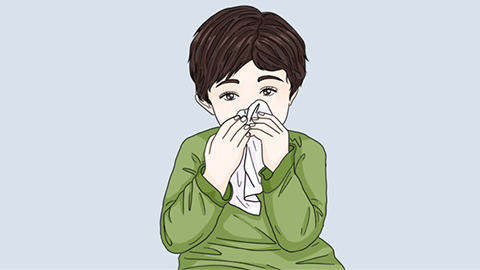
For mild epistaxis, short-term topical nasal drops—combined with vitamin A and D drops to moisturize and nourish the nasal mucosa—may be sufficient. Patients should maintain good nasal hygiene; those with nasal dryness may benefit from regular saline nasal irrigation using physiological saline solution. We hope this information proves helpful!


