


Why Does Sneezing Cause Nosebleeds?

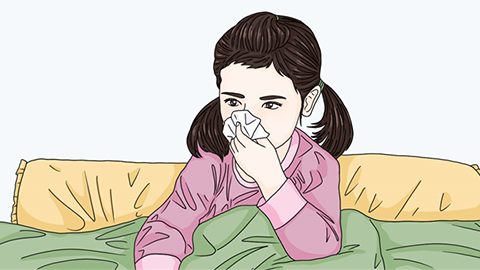
Many people have experienced nosebleeds, but some children bleed from the nose when sneezing—a situation that understandably causes great concern among parents. So why does sneezing trigger nosebleeds?
Why Does Sneezing Cause Nosebleeds?
The most common cause of nosebleeds during sneezing is the forceful airflow generated during a sneeze, which vibrates and irritates the nasal mucosa. In patients with rhinitis, the nasal mucosa is already inflamed and thus more fragile; this increased vulnerability can lead to mucosal injury—or even rupture of small blood vessels—resulting in epistaxis (nosebleed). Therefore, treatment should target the underlying cause of sneezing—for instance, managing rhinitis or allergic rhinitis.

It is also essential to examine the nasal cavity for other potential causes of epistaxis—such as whether the bleeding stems solely from mucosal erosion and minor vascular rupture. If mucosal erosion is present, topical nasal sprays or ointments may be used to protect the nasal mucosa and accelerate its healing. Additionally, further blood tests are warranted: a complete blood count (CBC) and coagulation profile are necessary to assess for thrombocytopenia or coagulopathy. Since abnormalities in the coagulation system cannot be detected by visual inspection alone, timely diagnosis and intervention are critical to prevent disease progression.
Thus, in addition to treating rhinitis, management of sneeze-induced epistaxis must also address the eroded mucosa—i.e., the site of vascular rupture. Blood testing is strongly recommended to enable comprehensive evaluation and accurate identification of the underlying cause. We hope this information proves helpful!


