


How is gastric ulcer formed?

The stomach is a vital organ that helps store food and facilitate digestion. This function is crucial for human health. Once the stomach becomes compromised, it can trigger numerous symptoms and diseases. In severe cases, it may even lead to gastric cancer and death. Gastric cancer is associated with long-standing, untreated gastric ulcers—a chronic condition. But how do gastric ulcers develop?
How Gastric Ulcers Form
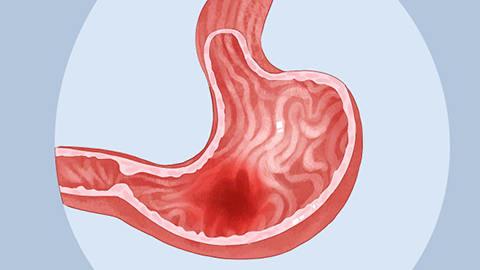
The primary causes of gastric ulcers include excessive gastric acid secretion and Helicobacter pylori infection. It is recommended that nonsteroidal anti-inflammatory drugs (NSAIDs) and aspirin be used only under medical supervision, as an imbalance between the stomach’s protective factors—such as the mucus-bicarbonate barrier—and its aggressive factors can occur. When the damaging effects of gastric acid and pepsin intensify, they erode the gastric mucosa down to the muscularis mucosae, resulting in a gastric ulcer. Gastric ulcers are common and prevalent disorders of the digestive system. Epidemiological studies indicate that approximately 10% of people worldwide will develop this condition at some point in their lives.

Gastric ulcer formation is linked to diminished gastric protective function, dietary habits, medication use, and Helicobacter pylori infection. An imbalance among gastric protective factors, coupled with increased gastric acid or pepsin activity, leads to mucosal invasion, resulting in mucosal injury and chronic gastric ulceration. Poor dietary habits—such as frequent consumption of spicy, hard-to-digest foods—as well as long-term smoking or alcohol use, can damage the gastric mucosa and contribute to chronic gastric conditions like gastritis and gastric ulcers. Additionally, prolonged use of NSAIDs—including amoxicillin (note: amoxicillin is not an NSAID; this may be an error in the original text; likely intended to refer to NSAIDs such as ibuprofen or naproxen)—can impair the gastric mucosa and is a major contributing factor to gastric ulcer development.
Patients are advised to seek timely medical evaluation at a hospital and follow their physician’s recommendations regarding medication and treatment. We hope this information has been helpful.


