


Why Do Children Frequently Experience Nosebleeds?
Aug 24, 2022
Source: Cainiu Health

Dr. Xie Zixing
Introduction
Nosebleeds in babies are more likely to occur when the weather is poor—particularly during periods of low atmospheric pressure, dry air, extreme cold, or excessive heat. This is because the nasal mucosa becomes dry, making the small blood vessels inside the nose more prone to rupture. To help prevent this, keep your baby’s nasal passages moist; consider using a humidifier in the room while your baby sleeps. Children grow rapidly, and maintaining optimal health requires adequate intake of vitamins.
Nosebleeds (epistaxis) commonly occur in children. Some parents may not pay much attention to this symptom; however, recurrent nosebleeds in children can sometimes signal an underlying medical condition. Therefore, parents should understand the potential causes of nosebleeds in children. So, what causes frequent nosebleeds in children?
What Causes Frequent Nosebleeds in Children?
Poor weather conditions—particularly low atmospheric pressure, dry air, extreme cold, or excessive heat—can predispose infants and young children to nosebleeds. In such conditions, the nasal mucosa becomes dry, making the small blood vessels within the nasal cavity more prone to rupture. To prevent this, keep the child’s nasal passages moist—for instance, by using a humidifier in the bedroom during sleep. Children grow rapidly and require substantial vitamin intake to maintain optimal health. However, many children are picky eaters, leading to deficiencies in essential nutrients—including vitamins C, K, and P—as well as key minerals. Such nutritional deficiencies increase susceptibility to nosebleeds.
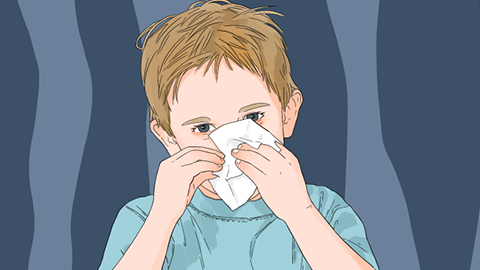
Children should consume ample fresh vegetables and fruits to ensure adequate vitamin intake and bolster their immune system. If environmental factors and nutritional deficiencies have been ruled out, other pathological causes must be considered—such as whooping cough, hematologic disorders, or febrile infectious diseases, all of which may present with epistaxis.
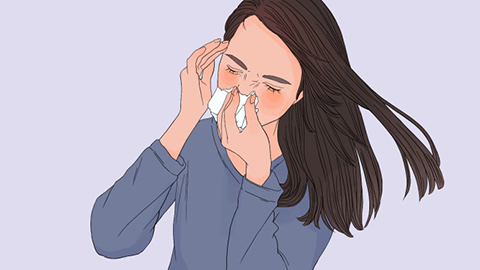
If a child experiences nosebleeds, parents must never dismiss it lightly. Prompt medical evaluation at a hospital is essential. Neglecting this symptom could lead to more serious complications. We hope this article has been helpful to you!


