


Can poor liver function cause bad breath?

Today, people place great emphasis on their health. However, due to various factors, physical health can be compromised, leading individuals into a state of suboptimal health—often termed “sub-health.” For instance, some individuals consistently notice an unpleasant odor in their mouth. After examination, a physician may diagnose this as halitosis (bad breath). So, can poor liver function cause halitosis?
Can impaired liver function cause halitosis?
Yes, impaired liver function can indeed cause halitosis. Poor hepatic function not only contributes to bad breath but may also predispose individuals to conditions such as cholecystitis, pharyngitis, gastritis, and gingivitis. Halitosis resulting from liver disease typically carries a foul, putrid odor. This occurs because when liver function is abnormal, blood urea nitrogen (BUN) and ammonia cannot be adequately metabolized and excreted; consequently, these substances are expelled via respiration through the oral cavity, manifesting as halitosis. Importantly, halitosis often signals worsening liver disease and warrants prompt diagnosis and treatment. Fortunately, halitosis caused by liver disease usually improves once the underlying hepatic condition is effectively managed.

In patients with impaired liver function—particularly those with hepatic insufficiency—localized halitosis commonly persists. Suboptimal liver function disrupts systemic metabolism and gastrointestinal function, potentially leading to oral functional abnormalities and the release of characteristic metabolic odors. Thus, halitosis represents a frequent clinical manifestation among patients with liver disease. Patients should therefore adopt hepatoprotective medications and appropriate lifestyle modifications to support liver health. Additionally, maintaining regular oral hygiene—including routine dental cleaning—is essential; otherwise, pre-existing oral malodor may intensify or evolve into more persistent halitosis.
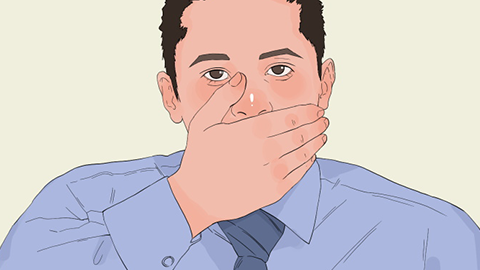
Patients are advised to prioritize oral hygiene by brushing teeth twice daily (morning and evening) and rinsing the mouth after meals. If symptoms persist, timely medical consultation and targeted therapy are strongly recommended. We hope this information proves helpful.


