


How do I know if I have bad breath?

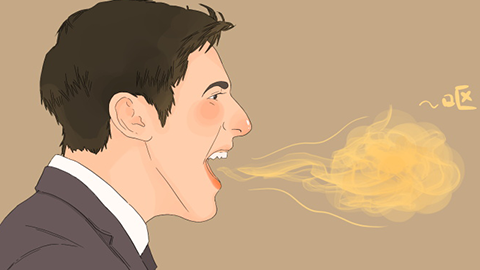
Halitosis (bad breath) is a common condition affecting many individuals and often hinders their ability to form and maintain normal social relationships. To effectively alleviate this issue and minimize its impact on daily life, many people seek timely intervention. But how can one determine whether they have halitosis?
How to Determine Whether You Have Halitosis
Individuals can perform a self-assessment or visit a hospital or clinic for professional evaluation. Self-testing methods are simple: breathe into a plastic bag and then smell the air inside, or lick your forearm with your tongue and sniff the area for any odor. At medical facilities, specialized gas chromatography equipment may be used for precise detection. If halitosis is confirmed, it is commonly caused by oral diseases (e.g., gingivitis, periodontitis, dental caries) or gastrointestinal disorders. Patients should therefore seek appropriate treatment promptly and maintain good oral hygiene—brushing teeth regularly, rinsing with mouthwash, and practicing thorough oral care.
After experiencing halitosis, chewing fresh tangerine peel may help. Tangerine peel is rich in vitamin C and essential oils, which can refresh breath and eliminate unpleasant odors—often more effectively than chewing gum. When selecting tangerine peel, choose clean, pesticide-free peels and thoroughly wash them before chewing.

Patients are advised to limit consumption of strongly odorous foods (e.g., garlic, onions, spicy dishes) and instead increase intake of fruits, vegetables, and light, easily digestible meals to help prevent halitosis. We hope this information proves helpful.


