


How to Quickly Relieve Toothache at Night

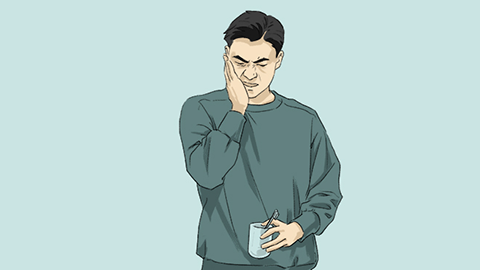
Many people experience toothache at some point. Although the pain may not be severe, toothaches can cause significant discomfort and even interfere with daily life and work. Therefore, individuals experiencing toothache should promptly take measures to relieve the pain. So, how can one quickly alleviate toothache at night?
How to Quickly Relieve Toothache at Night
To quickly relieve nighttime toothache, try rinsing your mouth with strong saline solution, applying an ice pack to your face, biting a slice of fresh ginger, or dripping lemon juice onto the affected area. If you develop toothache at night, rinse your mouth thoroughly with warm, concentrated saltwater—this helps kill bacteria, reduce inflammation, and provide rapid pain relief. You may also apply an ice pack to the cheek over the painful area or bite down gently on a slice of fresh ginger. Both methods offer effective analgesia. Additionally, you may apply lime juice or garlic juice directly to the painful tooth.

If you experience toothache at night, you can cut a garlic clove, squeeze out its juice, and apply it several times to the painful area—this also helps ease discomfort. Alternatively, crush a clove of garlic and apply a small amount to the Hegu acupoint (LI4), located on the dorsum of the hand between the first and second metacarpal bones. This method is particularly effective for toothache triggered by hypersensitivity. If the pain is severe, you may take an appropriate over-the-counter analgesic to relieve symptoms—but always follow the recommended dosage and instructions precisely. Note that analgesics commonly carry substantial side effects and are not intended for long-term use.
Individuals with severe gastric ulcers or impaired liver or kidney function must consult a physician before using any analgesic medication. We hope this information proves helpful to you.


