


How long after a cervical biopsy can I resume sexual intercourse?

After a cervical biopsy, women do not need to take any anti-inflammatory medications; they only need to rest in bed. Additionally, maintaining cleanliness and hygiene of the perineal area is essential. If heavy bleeding occurs—potentially leading to anemia—patients may visit the hospital for a small-volume blood transfusion. So, how long after a cervical biopsy can sexual intercourse be resumed?
How long after a cervical biopsy can sexual intercourse be resumed?
It is generally recommended to wait at least two weeks before resuming sexual intercourse following a cervical biopsy. Cervical biopsies are typically performed in patients with suspected cervical lesions. After routine gynecological examinations—especially after a ThinPrep Cytologic Test (TCT) for cervical cancer screening—biopsy may be indicated if abnormal epithelial cells are detected or if persistent HPV infection is present. Following the biopsy, a small tissue defect remains at the cervical site. Therefore, time is required for epithelial healing; this is especially important if vaginal bleeding occurs or if the biopsy sample was taken from a deeper cervical site—in such cases, sexual intercourse must be avoided until bleeding has completely ceased.
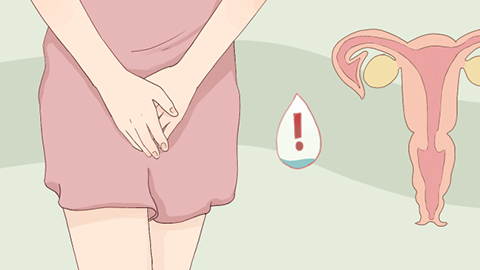
During colposcopy, a high-definition camera magnifies the image of the cervix, and special reagents are applied to highlight abnormal lesions. If suspicious areas are identified, tissue samples from those regions are excised for pathological testing. While some discomfort may be experienced during tissue removal, significant pain is uncommon.
In daily life, patients should maintain a positive mindset, actively cooperate with their physicians’ treatment plans, take prescribed medications as directed—both on schedule and in correct dosage—and pay attention to routine self-care to facilitate prompt clinical improvement. We hope this information is helpful to you.


