


What tests are required for cirrhosis?

In its advanced stages, liver disease can progress to cirrhosis—a serious condition that causes extensive damage to the liver. Once the disease worsens, there is a significant risk of malignant transformation (i.e., hepatocellular carcinoma). Many people fear cirrhosis greatly, worrying they may develop this condition. Unfortunately, patients often feel overwhelmed upon diagnosis. So, what tests are required for diagnosing cirrhosis?
What Tests Are Required for Cirrhosis?
Diagnosing cirrhosis involves blood tests (including routine blood work and specific serological assays) and imaging studies. Evaluation for cirrhosis is comprehensive, with particular emphasis on blood tests, as the liver functions as the body’s “chemical factory.” For instance, albumin and several clotting factors are synthesized by the liver. As cirrhosis develops, hepatic synthetic function declines markedly—leading to reduced serum albumin levels, altered clotting factor profiles, and impaired coagulation.
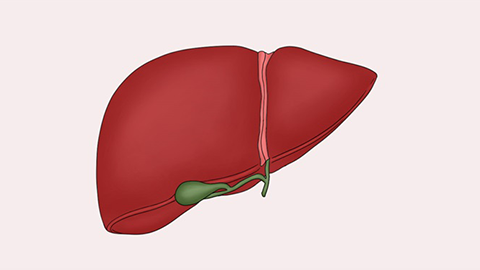
Etiological investigation—including virological and immunological testing—is also essential in evaluating cirrhosis. Most of these tests are performed using blood samples. Imaging modalities include abdominal ultrasound, abdominal CT, and MRI. In early-stage disease, small hepatocellular carcinoma nodules can be difficult to distinguish from regenerative or dysplastic nodules associated with cirrhosis; therefore, vigilance for concurrent hepatocellular carcinoma is critical. Consequently, imaging plays a vital role in the diagnostic workup. Overall, the evaluation for cirrhosis entails a comprehensive battery of tests—from laboratory assessments to advanced imaging.

Patients are advised to avoid tobacco and alcohol, and to refrain from consuming coarse or excessively hard foods. We hope this information proves helpful.


