


What Causes Cervical Erosion?

Cervical ectropion (formerly termed “cervical erosion”) is a common gynecological condition among women, with a high incidence rate that causes significant distress to affected individuals. Not only does it cause physical discomfort or pain, but it also substantially impairs daily life. Given the current advances in modern medicine, treatment is generally straightforward. So, what causes cervical ectropion?
What Causes Cervical Ectropion?
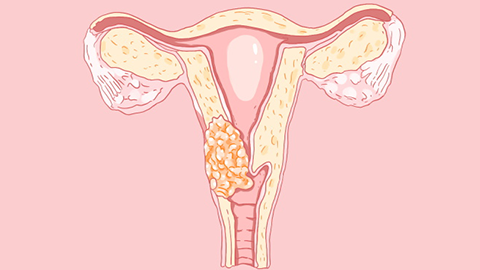
Cervical ectropion occurs when squamous epithelium is replaced by columnar epithelium—typically due to fluctuations in hormonal levels (e.g., estrogen) or stimulation by inflammatory factors. Importantly, cervical ectropion is not a disease per se, but rather a physiological or pathological process; therefore, identifying a specific “cause” is unnecessary. It often resolves spontaneously following a decline in estrogen levels. First and foremost, maintaining good personal hygiene is essential: clean the perineal area daily and change undergarments promptly. If pathological cervical ectropion is detected during a gynecological examination, routine cervical cancer screening (e.g., Pap smear or HPV testing) should be performed first, as early-stage cervical cancer may sometimes present with changes resembling cervical ectropion.

Cervical ectropion in women is primarily a physiological phenomenon resulting from the downward displacement of cervical columnar epithelium. Generally, elevated estrogen levels promote this downward migration of columnar epithelium. During a gynecological examination, the cervix may appear bright red and granular—resembling an eroded or ulcerated surface—but this appearance is typically physiological. As emphasized earlier, maintaining good hygiene habits—including daily perineal cleansing and timely undergarment changes—is crucial.
In daily life, patients should maintain a positive mindset, actively cooperate with their physicians during treatment, take prescribed medications regularly and as directed, and pay close attention to self-care—thereby facilitating prompt improvement of symptoms. We hope this explanation proves helpful to you.


