


When do women ovulate after their menstrual period?

Generally speaking, for women with a 28-day menstrual cycle and a 5-day menstrual period, ovulation is most likely to occur approximately 7–8 days after menstruation ends. If the menstrual period is longer, the interval between the end of menstruation and ovulation becomes shorter. So, how many days after menstruation does ovulation occur?
How many days after menstruation does ovulation occur?
The timing of ovulation after menstruation is not fixed. The longer the menstrual cycle, the longer the interval between the end of menstruation and ovulation; conversely, the shorter the cycle, the shorter this interval. After ovulation, the ovarian corpus luteum typically degenerates after about 14 days. Once the corpus luteum degenerates, menstruation begins. Therefore, for women with regular cycles, ovulation usually occurs approximately 14–15 days before the onset of the next menstrual period.
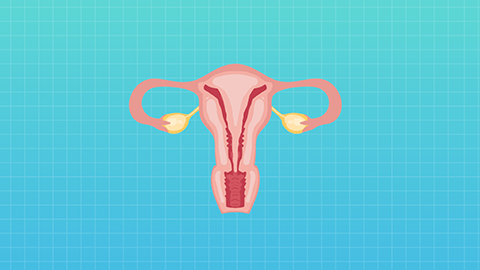
The exact number of days after menstruation when ovulation occurs remains variable. For example, in a typical 28-day cycle, ovulation generally occurs on day 14. However, individual menstrual durations differ: some women finish menstruating after 3 days, while others may take up to 7 days. Thus, if menstruation ends on day 3, ovulation would likely occur around day 11 after the start of menstruation (i.e., day 8 after menstruation ends); if menstruation lasts 7 days, ovulation would likely occur around day 7 after its completion—i.e., day 14 after the start of menstruation.
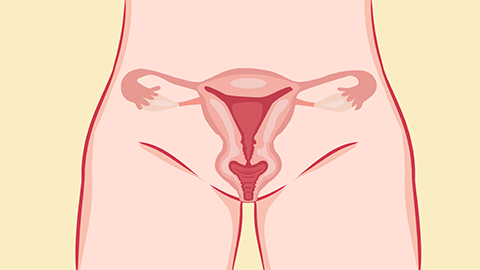
The most reliable method for estimating ovulation is to count backward 14 days from the anticipated start date of the next menstrual period—a calculation that typically has a margin of error of only about 2 days. This approach is more accurate. We hope this explanation helps you.


