


Is first-degree cervical erosion serious?
Aug 24, 2022
Source: Cainiu Health

Dr. Lv Aiming
Introduction
First-degree cervical erosion is not severe. It is a mild form of cervical erosion. Cervical erosion is classified—based on the extent of the affected area—into mild, moderate, and severe erosion. Typically, first-degree erosion corresponds to mild erosion. In general, if there are no symptoms, no treatment is required. If symptoms are present, they usually involve abnormal vaginal discharge, which may manifest as yellowish, viscous, excessive discharge and/or itching.
Patients with cervical ectropion (formerly termed “cervical erosion”) should adopt a suitable, well-balanced diet; inappropriate dietary choices may exacerbate the condition and impede recovery. This point warrants attention. Many patients inadvertently disregard dietary restrictions during treatment, thereby worsening their symptoms. So, how serious is grade I cervical ectropion?
Is Grade I Cervical Ectropion Serious?
Grade I cervical ectropion is not serious. It represents a mild form of the condition. Cervical ectropion is classified into three grades—mild, moderate, and severe—based on the extent of the affected area. Grade I corresponds to mild ectropion. In asymptomatic cases, no specific treatment is usually required. When symptoms are present, they typically involve abnormal vaginal discharge—such as yellowish, thick, excessive, or itchy discharge. In such cases, topical medications may be used to alleviate symptoms. Asymptomatic cases can generally be managed with observation alone.
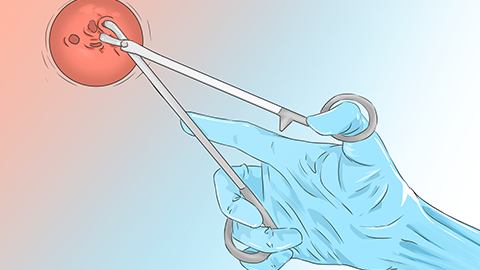
Cervical ectropion often results from physiological outward displacement of the columnar epithelium; therefore, grade I ectropion is typically benign and not clinically concerning. Patients are advised to undergo routine cervical cancer screening (e.g., Pap smear and/or HPV testing) at a hospital. If screening results are normal, grade I ectropion is considered low-risk and readily manageable—often with topical medications. With appropriate treatment and follow-up, most cases improve significantly over time.
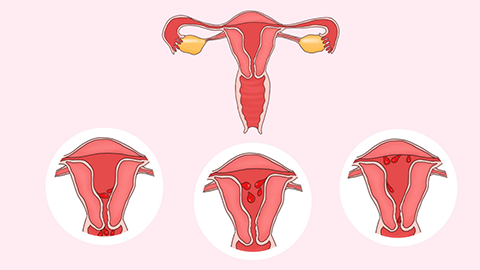
Patients should not rely solely on the grade (e.g., grade I) to assess disease severity. We hope this information proves helpful.



