


What should I do if my menstrual bleeding persists and does not stop?

Menstruation is a natural monthly occurrence for every woman, and the duration of the menstrual cycle often reflects a woman’s overall health. Typically, a normal menstrual period lasts about 4–7 days. If bleeding persists for more than 10 days without stopping, women should pay close attention to their health. So what should be done if menstruation continues abnormally?
What to Do If Menstruation Does Not Stop
Prolonged menstrual bleeding—lasting longer than usual—may result from conditions such as dysfunctional uterine bleeding (DUB) or uterine fibroids. Dysfunctional uterine bleeding is characterized by the absence of identifiable structural abnormalities, yet patients frequently experience heavy bleeding or prolonged spotting. Most affected individuals have menstrual periods lasting approximately 10 days; in some cases, cycles may extend up to two months. Uterine fibroids—benign smooth muscle tumors—can cause varied symptoms depending on their location and size, including prolonged menstrual periods and increased menstrual flow. Additionally, patients may experience urinary frequency and nocturia (increased urination at night). Some may develop unexplained constipation, while only a minority report palpable abdominal masses.
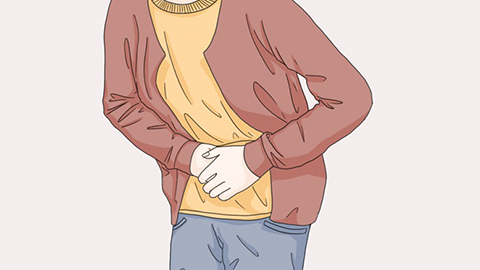
There are numerous potential causes of prolonged menstruation, and identifying the underlying cause promptly is essential before initiating appropriate treatment. First, consider whether the cause is uterine dysfunction-related bleeding—for instance, anovulatory dysfunctional uterine bleeding or irregular endometrial shedding. These disorders stem from endocrine imbalances that disrupt normal menstrual regulation, leading to extended bleeding. Second, evaluate for uterine leiomyomas (fibroids), particularly submucosal fibroids, which protrude into the uterine cavity. Their presence increases the surface area of the endometrium and can impair normal uterine contractility, resulting in menorrhagia (excessively heavy bleeding) or prolonged menses.
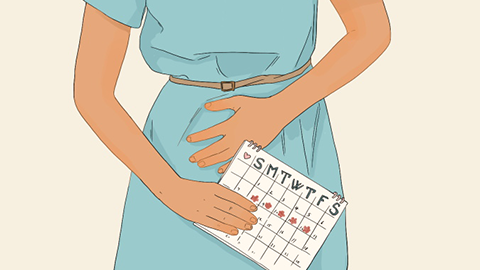
In daily life, maintain a balanced diet and avoid excessive salt intake. Drink plenty of warm water. We hope this information proves helpful.


