


Can cervical erosion cause lower back pain?
Aug 24, 2022
Source: Cainiu Health

Dr. Lv Aiming
Introduction
Cervical erosion typically does not cause low back pain. In most cases, it leads to abnormal vaginal discharge. Under normal circumstances, female vaginal discharge (leukorrhea) is clear, transparent, and odorless; a small amount is considered normal. In patients with cervical erosion, the eroded surface of the cervix may exhibit contact bleeding or cause increased vaginal discharge, which often becomes yellowish, thick, and copious. Generally, the majority of affected individuals experience changes in vaginal discharge.
Many individuals suffer from cervical ectropion (commonly, though inaccurately, referred to as “cervical erosion”) in daily life. For those with mild cases—particularly individuals with lower body weight—no treatment is typically required. However, patients with more severe disease may require cervical conization, which generally yields favorable postoperative outcomes. So, can cervical ectropion cause low back pain?
Can cervical ectropion cause low back pain?
Cervical ectropion generally does not cause low back pain. In most cases, it leads to abnormal vaginal discharge. Normally, healthy vaginal discharge (leukorrhea) is clear, transparent, odorless, and present in small amounts. In patients with cervical ectropion, the affected cervical surface may exhibit contact bleeding or increased discharge, which often becomes yellowish, thick, and copious. Typically, the primary symptom is altered vaginal discharge; low back discomfort or back pain is rare.
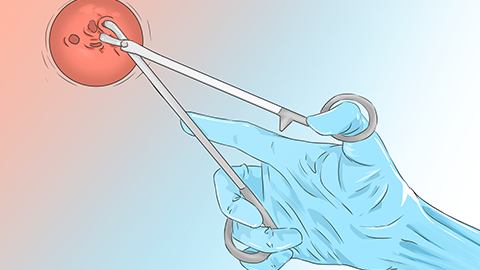
If a patient with cervical ectropion experiences low back pain, further medical evaluation is essential to rule out lumbar spine disorders (e.g., disc herniation, spinal stenosis) or lumbar muscle strain. Most patients with cervical ectropion experience only changes in vaginal discharge and do not develop low back pain. Therefore, if low back pain occurs, the patient should consult specialists in general surgery and orthopedics to assess for potential lumbar spine pathology. Additionally, patients with atypical or persistent cervical ectropion should undergo cervical cancer screening per clinical guidelines.
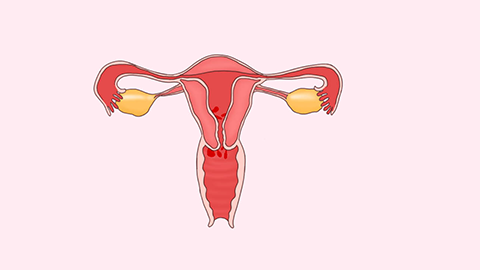
We recommend that patients consult specialists in general surgery and orthopedics to evaluate possible lumbar spine issues. We hope this information is helpful to you.



