


What Is the Difference Between an Anal Abscess and Hemorrhoids?

Anal cysts—also referred to as anal fistula cysts—may arise from nasolacrimal duct cysts or congenital developmental abnormalities. Surgical intervention is required for treatment; recurrent cases carry a potential risk of malignant transformation and thus warrant close clinical attention. Increasing dietary intake of high-fiber vegetables is recommended. So, what are the key differences between anal cysts and hemorrhoids?
What Are the Differences Between Anal Cysts and Hemorrhoids?
The etiologies, anatomical locations, and clinical manifestations of anal cysts and hemorrhoids differ significantly. Hemorrhoids result from venous dilation and impaired venous return in the hemorrhoidal plexus, whereas perianal cysts are primarily acute suppurative infections caused by bacterial invasion. Perianal cysts typically develop in the perianal region, while hemorrhoids predominantly occur at the anal verge. The hallmark symptoms of hemorrhoids include painless rectal bleeding, prolapse of hemorrhoidal tissue through the anus, strangulation (incarceration) of prolapsed hemorrhoids, and swelling and pain during inflammatory episodes. In contrast, anal cysts commonly present with perianal swelling, localized erythema, warmth, tenderness, and sometimes systemic signs such as high fever or chills, which may severely impair urinary function.
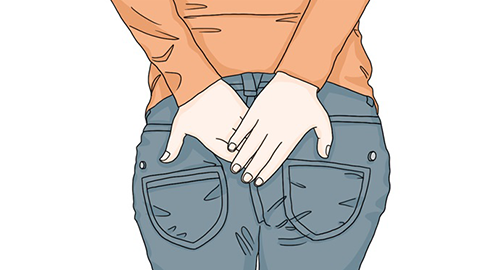
Maintain healthy dietary habits—opt for light, bland foods and minimize consumption of spicy dishes and alcoholic beverages. Secondly, adhere to a regular daily routine, practice good perianal hygiene, and establish consistent, healthy bowel habits. Lastly, engage in regular physical activity and frequently perform pelvic floor (Kegel) exercises—including voluntary anal sphincter contractions (“anal lifts”). Pregnant women, in particular, should take preventive measures against hemorrhoids, as therapeutic options become extremely limited once hemorrhoids develop during pregnancy.
In daily life, cultivate sound lifestyle and dietary habits. We hope this information proves helpful to you.


