


Can drinking alcohol cause delayed menstruation?

Menstruation is commonly referred to as “Auntie Moon.” In healthy women, menstruation typically occurs once a month; however, many women experience delayed periods. Most women do not pay sufficient attention to this issue. When a woman is actively trying to conceive and her periods are consistently delayed, it can cause significant anxiety—particularly among those who wish to become pregnant—due to concerns that menstrual delay may impair fertility. So, can alcohol consumption cause menstrual delay?
Can alcohol consumption cause menstrual delay?
In general, occasional alcohol intake does not lead to menstrual delay. However, frequent or excessive drinking may disrupt the body’s metabolism and interfere with hormonal secretion, potentially resulting in delayed or irregular menstruation. Therefore, women are advised to avoid alcohol during their menstrual period. Menstruation is characterized by cyclical shedding of the endometrium, resulting in vaginal bleeding, and is regulated by the hypothalamic–pituitary–gonadal (HPG) axis. Alcohol is a stimulant with mild blood-activating properties; thus, consuming alcohol during menstruation may increase menstrual flow and prolong the duration of bleeding. Chronic habits such as staying up late combined with regular alcohol consumption can also disturb normal hormonal secretion, thereby contributing to menstrual delay. Under normal circumstances, a menstrual cycle that begins up to one week earlier or later than expected is considered within the physiological range.
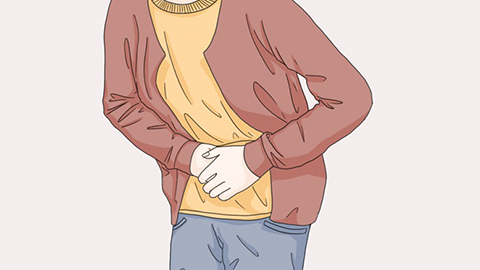
Occasional menstrual delay is normal for most women; however, persistent or recurrent delays warrant attention. Severe or prolonged menstrual delay can negatively impact conception and, in some cases, even lead to infertility. Delayed menstruation often signals underlying ovarian dysfunction, which significantly reduces a woman’s chances of pregnancy. Thus, women concerned about how menstrual delay may affect fertility should seek timely medical evaluation and appropriate treatment for their delayed menstruation.

During menstruation, women should prioritize rest, avoid overworking or experiencing intense emotional fluctuations, and refrain from vigorous physical activity—all of which may adversely affect menstrual regularity. It is advisable to consume plenty of fresh fruits and vegetables, as well as high-protein foods. We hope this information proves helpful to you.


