


Can proctitis cause alternating constipation and diarrhea?

Many individuals experience gastrointestinal issues in various situations. The digestive tract significantly impacts overall health, and numerous patients report that their stools are dry at the front and loose or thin at the back during defecation. This condition can substantially affect bodily function—so, does proctitis cause alternating constipation and diarrhea?
Does proctitis cause alternating constipation and diarrhea?
Proctitis may indeed lead to alternating constipation and diarrhea. Constipation in proctitis patients results from slowed intestinal motility and prolonged stool retention within the bowel. Proctitis is primarily caused by inflammatory stimulation of the intestinal mucosa, which impairs normal intestinal motility and leads to functional bowel disorders and reduced peristalsis. Consequently, stool remains in the intestine for extended periods, allowing excessive water reabsorption by the intestinal wall and resulting in dry, hard stools. Alternatively, constipation may occur secondary to indigestion. In addition to constipation, proctitis can also cause abdominal pain, diarrhea, increased bowel movement frequency, watery stools, rectal prolapse, and anal protrusion.
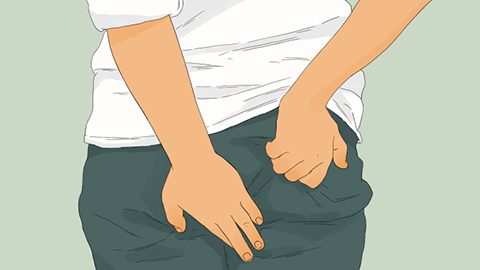
Patients with proctitis who experience constipation should increase dietary fiber intake and fluid consumption; when necessary, they may use laxatives under medical guidance to promote bowel movements. Proctitis—a common inflammatory condition of the rectum—can indeed lead to constipation. While proctitis presents with multiple symptoms, constipation is merely one among them.

Inflammation of the rectum reduces intestinal motility. After food ingestion, it cannot be rapidly propelled through the intestines and instead accumulates in the rectum and colon—potentially leading to constipation. A colonoscopy performed at a hospital can determine whether such symptoms stem from rectal inflammation. Constipation symptoms can be alleviated by increasing intake of high-fiber foods, fresh vegetables, and fruits, and—when required—by taking medications prescribed by a physician. We hope this information proves helpful to you.


