


What does it mean when there’s blood on the toilet paper after wiping the anus?

Many people commonly experience anal itching, which—under ordinary circumstances—can be relieved by scratching or rinsing with warm water. However, some individuals suffer from persistent itching that fails to improve even with scratching. In such cases, it is important to be vigilant about potential underlying diseases. So, what does it mean when there is blood on the toilet paper after wiping?
What Does Blood on Toilet Paper After Wiping Indicate?
Blood on toilet paper after wiping may result from conditions such as anal fissures, hemorrhoids, or proctitis. Excessive straining during defecation can cause tears in the perianal tissue, leading to anal fissures—characterized by dripping blood after bowel movements or blood visible on toilet paper. In patients with hemorrhoids, obstructed defecation may cause hard stool to lacerate capillaries on the surface of hemorrhoidal tissue, resulting in blood mixed with stool. In mild hemorrhoidal cases, bleeding often stops spontaneously after defecation. Proctitis, typically triggered by intestinal inflammatory mediators, causes mucosal erosion and ulceration, leading to mucosal sloughing and bloody stools.
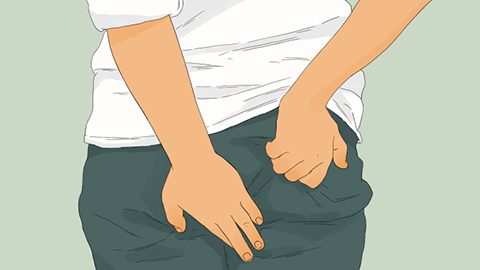
When colorectal polyps are present, stool passing through the rectum may traumatize the polyp, causing its surface mucosa to bleed—resulting in blood in the stool and consequently blood on toilet paper. Blood on toilet paper after wiping is frequently attributable to hemorrhoids. Typically, during defecation, the hemorrhoidal surface sustains minor abrasions, leading to post-defecation dripping blood; hemorrhoids are generally benign.

In most cases, bleeding ceases spontaneously; however, it may also stem from rectal malignancy, as the tumor surface can become abraded during defecation, leaving blood traces on toilet paper. Therefore, if a patient experiences persistent blood on toilet paper after wiping, it is strongly recommended to seek evaluation at a reputable specialized hospital for comprehensive examination and definitive diagnosis. We hope this information proves helpful.


