


What are the symptoms of anal inflammation?

Anal inflammation is also common in daily life. Although it is not an independent disease, it can contribute to or exacerbate various conditions. In severe cases of hemorrhoids, swelling and inflammatory reactions often occur around the anus. Symptoms may include pruritus (itching), rectal bleeding, pain, and, in advanced cases, prolapse of hemorrhoidal tissue. So, what are the symptoms of anal inflammation?
What Are the Symptoms of Anal Inflammation?
Symptoms of anal inflammation include a sensation of rectal fullness or heaviness, perianal pruritus, and hematochezia (rectal bleeding). Rectal distension and pain may result from external factors; however, patients typically experience pain when internal infection, abscess formation, or tissue necrosis occurs. Patients often feel an urgent need to defecate and may experience frequent bowel movements. Perianal pruritus commonly arises from internal hemorrhoids in the recurrent or intermediate stages of hemorrhoidal disease, leading to sphincter relaxation and leakage of secretions around the anus. Hematochezia is a hallmark symptom of hemorrhoids: blood may appear as streaks on stool or toilet paper, or as drops or even spurting blood during defecation. Chronic bleeding may lead to iron-deficiency anemia.
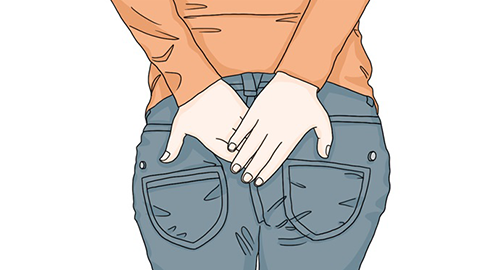
Anal inflammation is frequently encountered in clinical practice. Effective treatment requires first identifying its underlying cause. Initially, maintaining regular, soft bowel movements is essential. Each evening, patients may soak in a sitz bath using a 1:10,000 (0.01%) potassium permanganate solution (i.e., approximately 0.05% concentration). Additionally, under medical supervision, oral antibiotics or topical antibiotic suppositories may be prescribed. If anal inflammation results from an anal fissure unresponsive to conservative management, surgical intervention—such as lateral internal sphincterotomy—may be considered. For inflammation secondary to an anal fistula, fistulectomy or other appropriate fistula surgery is generally required.
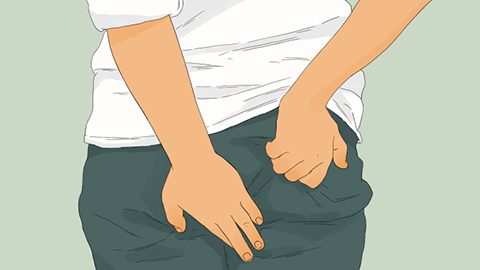
In daily life, patients should follow a balanced, regulated diet—avoiding spicy, irritating, or overly rich foods, refraining from binge eating, and ensuring adequate rest without late-night activity. We hope this information proves helpful.


