


What causes small bumps on the cervix?

For women, gynecological health is extremely important. Cervical disease is a common gynecological condition affecting many women—and it can significantly impact both physical and mental well-being. Therefore, maintaining cervical health in daily life is essential. But what causes a small lump to appear on the cervix?
What Causes a Small Lump on the Cervix?
If a small lump is detected on the cervix, it is often due to chronic inflammation of the cervix. Prolonged chronic cervicitis may stimulate localized tissue proliferation, leading to cervical polyps—benign, plant-like growths typically appearing bright red and sometimes causing postcoital bleeding. Alternatively, persistent chronic inflammation can obstruct local cervical mucosal glandular ducts, resulting in a small cyst known as a Nabothian cyst. Such cysts can be treated effectively with laser or microwave therapy. Another possibility is genital warts (caused by human papillomavirus), a sexually transmitted infection. Thus, upon discovering any small lump on the cervix, women must seek prompt medical evaluation at a hospital. A physician will first perform a visual examination to make an initial diagnosis, followed by further diagnostic testing and appropriate treatment.
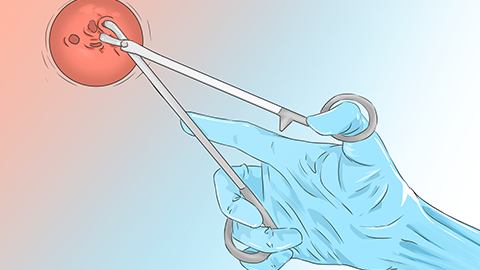
Women with mild infections may be diagnosed and managed conservatively. Initial management includes cleansing the external genitalia with a gentle, pH-balanced feminine hygiene solution to prevent bacterial entry into the vagina and subsequent inflammation. Harmful bacteria may reside along the vaginal sidewalls and gradually ascend into the vagina—and even reach the cervix—triggering vaginitis. However, if the cervical lump exceeds 3 cm in diameter and fails to respond to medication—i.e., its growth cannot be controlled—surgical intervention becomes necessary to prevent continued cyst enlargement. Minimally invasive procedures such as microwave ablation or laser therapy are also viable options. Following surgery, adjunctive pharmacotherapy is recommended to support cervical healing and recovery.
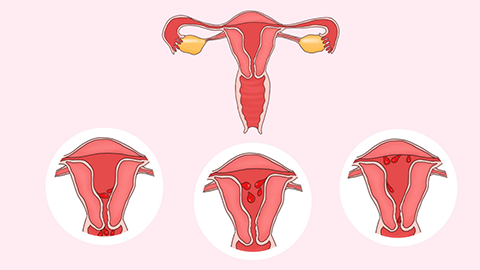
Dietary considerations are equally important: avoid spicy, stimulating, or cold foods, as these may exacerbate inflammation. Instead, emphasize vegetables, fruits, and foods rich in vitamins and protein—nutrients that support recovery from cervicitis. We hope this information proves helpful.


