


What foods should be avoided during menstruation?

During menstruation, a woman’s immune resistance significantly decreases; even minor lapses in self-care may trigger adverse reactions such as dysmenorrhea (painful menstruation) or sudden reductions or increases in menstrual flow. Therefore, women must take comprehensive care of themselves throughout their menstrual period—especially regarding dietary restrictions. So, what foods should be avoided during menstruation?
Foods to Avoid During Menstruation
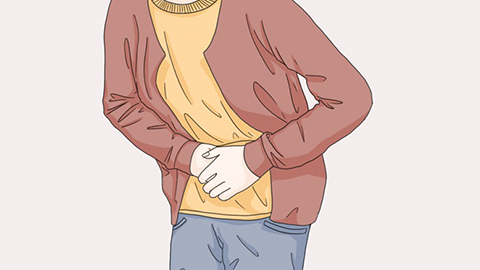
Women should avoid raw and cold foods, spicy foods, and high-sodium foods during menstruation. Strictly avoiding excessively cold or raw foods is essential, as they may stimulate cervical contraction and cause local vasoconstriction, leading to endometrial shedding and triggering symptoms such as abdominal pain and reduced menstrual flow—manifestations of menstrual irregularity. Spicy foods can irritate the uterus and easily provoke dysmenorrhea; thus, women should refrain from consuming overly spicy or otherwise irritating foods during their period. Barbecued foods and hotpot are best avoided altogether, and cooking should involve minimal use of seasonings such as chili peppers, black pepper, or mustard. Excessive salt intake may cause water and sodium retention, potentially worsening premenstrual syndrome (PMS), particularly symptoms like irritability and mood swings.

Acquiring knowledge about menstrual hygiene is one effective measure for preventing dysmenorrhea. Menstruation marks the onset of puberty in females. However, due to insufficient understanding of menstrual bleeding, some young women experience unnecessary psychological responses—including fear, anxiety, and embarrassment. Such negative emotional changes, especially when intense and prolonged, may disrupt the normal flow of Qi (vital energy) and impair blood circulation, thereby precipitating dysmenorrhea.
In daily life, cultivating healthy lifestyle and dietary habits is crucial. We hope this information proves helpful to you.


