


What color is sputum in pulmonary tuberculosis?

When respiratory system disorders occur, patients commonly experience symptoms such as coughing and expectoration of sputum. The color of sputum varies depending on the underlying disease—for example, white frothy sputum, yellow purulent sputum, red blood-tinged sputum, or rust-colored sputum. Lobar pneumonia is also a common respiratory disease associated with sputum production. Then, what color is sputum in pulmonary tuberculosis?
What Color Is Sputum in Pulmonary Tuberculosis?
Sputum in pulmonary tuberculosis is typically clear or whitish. Cough and sputum production are common symptoms of tuberculosis; however, in the early stages, some patients may produce no sputum at all and instead experience a dry, non-productive cough. If the primary site of tuberculous involvement is the bronchi, patients often present with an irritating, dry cough without sputum. As the disease progresses to involve lung parenchyma—leading to tissue necrosis and even cavity formation—white, viscous sputum or yellow, purulent sputum may appear.
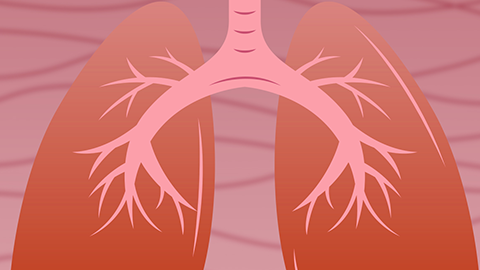
Regardless of the severity of vascular involvement, blood-tinged sputum (hemoptysis) may occur; if larger vessels are affected, frank hemoptysis can result. These manifestations reflect varying degrees of disease severity in pulmonary tuberculosis, and accordingly, sputum characteristics differ. When the pleura becomes involved, patients may develop chest pain—typically described as dull or sharp—and severe cases may also present with dyspnea. Thus, sputum presentation in tuberculosis patients is highly variable.

In general, sputum from pulmonary tuberculosis patients is white and viscous or white and frothy. However, if secondary bacterial infection develops, the sputum typically becomes yellow and purulent—often thick and frankly purulent. Infection with specific bacteria, such as Pseudomonas aeruginosa, may cause the sputum to appear yellow-green. We hope this information is helpful to you.


