


Can taking painkillers affect menstruation?

Menstruation is a cyclical process involving the shedding of the endometrium. The endometrium undergoes periodic changes under the influence of hormones secreted by the ovaries, which in turn are regulated by hypothalamic-pituitary hormones. For mature women, menstruation is both an anticipated and anxiety-provoking event, requiring attention to numerous factors. So, does taking pain relievers affect menstruation?
Does taking pain relievers affect menstruation?
In general, taking pain relievers does not affect menstruation. Commonly used analgesics—such as ibuprofen—are prostaglandin synthase inhibitors and do not interfere with the menstrual cycle. However, caution is advised: during menstruation, avoid medications containing Western pharmaceutical ingredients, as these may cause significant side effects—especially blood-activating (circulation-promoting) drugs, which are particularly unsuitable for use during this period. To minimize potential impacts on menstruation, ensure appropriate warmth during your period and maintain consistent daily self-care. Specifically, avoid raw, cold, spicy, or otherwise irritating foods, and learn to relax mentally in a balanced way. If medication use disrupts your menstrual cycle, discontinue the drug promptly and seek appropriate recovery measures.
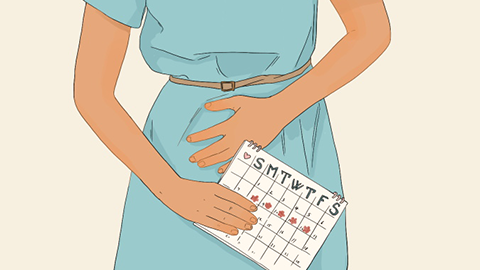
Pain relievers effectively alleviate pain but do not interfere with gynecological endocrine function; therefore, they do not cause menstrual delay. Menstrual delay can result from many factors, including emotional stress, environmental changes, fatigue, and frequent late-night activity. Additionally, certain gynecological endocrine disorders—such as hyperprolactinemia, polycystic ovary syndrome (PCOS), and hypothyroidism—may also contribute to delayed menstruation. Women experiencing delayed menstruation should first rule out pregnancy. If pregnancy is excluded, it is advisable to visit a hospital promptly for hormonal testing to identify the specific underlying cause and receive targeted treatment accordingly.
Patients are advised to follow a light diet, avoiding spicy and irritating foods, refraining from staying up late, and cultivating healthy lifestyle habits. We hope this response proves helpful to you.


