


Can pulmonary tuberculosis cause lymph node enlargement?

Tuberculosis (TB) is a common disease. Currently, due to environmental pollution and deteriorating atmospheric conditions, individuals with weakened immunity are more susceptible to TB and require prompt treatment. Coughing often worsens following pulmonary tuberculosis, significantly impacting patients’ quality of life. Some people believe that pulmonary tuberculosis can cause lymphadenopathy—so does pulmonary tuberculosis actually lead to swollen lymph nodes?
Can pulmonary tuberculosis cause lymphadenopathy?
Yes, pulmonary tuberculosis can cause lymphadenopathy, primarily manifesting as enlargement of lymph nodes in the cervical region and around the pulmonary hila. Clinically, this can be detected via physical palpation, imaging studies—including CT and X-ray—and subsequently managed under physician guidance with anti-tubercular therapy, leading to marked improvement in lymph node swelling. Lymphadenopathy often indicates significant local inflammatory stimulation; adjunctive pharmacotherapy may include immunomodulatory agents—for example, Jinshuibao (Cordyceps sinensis extract) and thymopentin—as well as supportive measures such as increased fluid intake, consumption of fresh fruits and vegetables, and adequate dietary protein to enhance overall physical resilience. Rifampicin demonstrates favorable efficacy in treating tuberculosis-related lymphadenopathy.
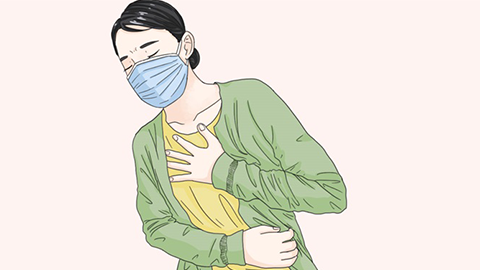
Pulmonary tuberculosis results from infection of the lungs by *Mycobacterium tuberculosis*, causing infectious pulmonary lesions. Following such infection, patients may develop reactive lymphadenopathy; thus, tuberculosis can indeed induce lymph node enlargement. TB is primarily transmitted via the respiratory route: *M. tuberculosis* enters the lungs through inhalation, triggering inflammatory pulmonary lesions—some of which progress to characteristic pathological changes such as cavity formation and necrosis. Once diagnosed, active and timely treatment is essential.

In daily life, patients with pulmonary tuberculosis should strictly adhere to their physician’s instructions regarding medication schedules. Should adverse drug reactions occur or therapeutic response prove suboptimal, patients should promptly consult their healthcare provider. They should also avoid crowded public places whenever possible; wearing a mask is recommended when such exposure is unavoidable. We hope this information proves helpful.


