


Clinical Manifestations of Bronchial Asthma

Bronchial asthma may be triggered by factors such as allergies, cold air, environmental pollution, and smoking. In severe cases, it can lead to chronic obstructive pulmonary disease (COPD) and cor pulmonale, significantly impairing respiratory and cardiovascular function and substantially shortening patients’ life expectancy. Therefore, prompt and active treatment is essential upon recognition of bronchial asthma symptoms. So, what are the clinical manifestations of bronchial asthma?
Clinical Manifestations of Bronchial Asthma
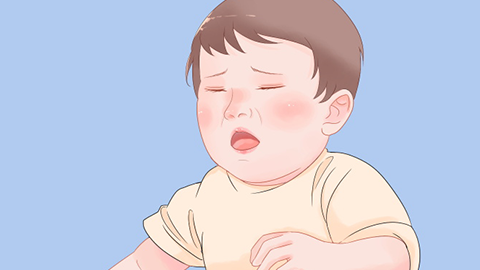
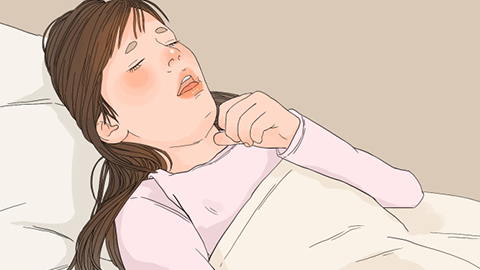
Common clinical manifestations of bronchial asthma include chest tightness, shortness of breath, and worsening of symptoms during the latter half of the night. When bronchial asthma occurs, bronchial smooth muscle spasm impairs oxygen intake: mild cases typically present with chest tightness, whereas more severe cases manifest with wheezing. Symptoms often worsen when lying flat, resulting in frequent nocturnal dyspnea and a sensation of airway obstruction—particularly during the early morning hours. This nighttime exacerbation is more pronounced than daytime or early-night symptoms, disrupting sleep and often forcing patients to stay awake to alleviate discomfort.
Bronchial asthma may be caused by smoking, respiratory infections, and other factors; smoking is considered the primary cause of chronic bronchial asthma. Smoking shortens cilia on bronchial epithelial cells, disrupts coordinated ciliary movement, reduces local airway resistance, impairs the phagocytic and bactericidal functions of alveolar macrophages, and may also induce bronchospasm—thereby increasing airway resistance. It is thus another critical factor contributing to the onset and progression of chronic bronchial asthma. According to domestic and international research, Streptococcus pneumoniae, Haemophilus influenzae, and Moraxella catarrhalis are likely the most important pathogens responsible for acute exacerbations of this condition.
It is recommended to consume a diet high in calories and protein, eat smaller, more frequent meals, and drink plenty of water. During remission, emphasize fresh vegetables and fruits, balance meat and vegetable intake, limit salt, and avoid pickled or cured foods. We hope this information proves helpful to you.


