


How to Treat Osteophytosis
Aug 24, 2022
Source: Cainiu Health

Dr. Lin Yunfei
Introduction
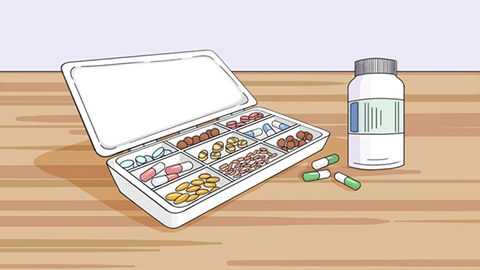
Osteophytosis can be treated through Western medicine, surgery, and other methods. Western medications do not offer a curative treatment for osteophytosis; they only provide symptomatic relief—for example, administering antipyretic and analgesic drugs to alleviate pain. Patients experiencing numbness may benefit from vitamin B supplementation, while those with joint swelling and effusion should undergo local aspiration of the fluid or local corticosteroid injection. If conservative treatment proves ineffective and the condition is severe, more aggressive interventions may be required.
It is well known that as people age, calcium loss from bones becomes increasingly severe, making osteophyte formation (bone spurs) more likely. Osteophytosis is a chronic joint disorder that significantly impacts joint health. Without proper treatment, it may lead to serious complications. So, how is osteophytosis treated?
How Is Osteophytosis Treated?
Osteophytosis can be managed through conventional Western medicine or surgical intervention. However, Western medications do not offer a definitive cure; they only provide symptomatic relief—for example, antipyretic and analgesic drugs for pain, vitamin B supplements for numbness, and local aspiration or corticosteroid injections for joint swelling and effusion. Surgery may be considered when conservative treatments fail and the condition becomes severe enough to significantly impair quality of life or threaten the patient’s health.
Osteophytosis may result from improper physical activity, genetic predisposition, or other factors. Many young adults today have adopted regular exercise habits—such as running—yet due to lack of professional training, excessive joint and bone wear during exercise can cause cartilage damage and subsequent osteophyte formation. Moreover, if parents or grandparents have osteophytosis or other degenerative joint diseases, there is an increased risk of hereditary transmission to offspring.
In daily life, it is essential to avoid activities harmful to the joints—such as running, mountain climbing, and jogging. We hope this information proves helpful to you.


