


What Causes Knee Osteophytes (Bone Spurs)?

As the saying goes, “people age first from the legs.” Some individuals experience increasing limitations with advancing age, frequently suffering from knee pain—especially when climbing or descending stairs. If you visit a hospital for evaluation at this stage, you may be diagnosed with knee osteophyte formation (bone spurs).
What Causes Knee Osteophyte Formation?
Knee osteophyte formation may result from age-related changes and alterations in joint fluid composition. As people age, wear and tear on the knee joint progressively increases, leading to degradation of articular cartilage and the development of bony outgrowths (osteophytes) along the joint margins—hence causing osteophyte formation. The joint cavity contains synovial fluid, which lubricates the joint surfaces. However, with aging or joint pathology, synovial fluid production decreases, further contributing to knee osteophyte formation.
If osteophyte formation is present in the knee, it is essential to keep the joint warm and avoid activities that place excessive stress on it—such as mountain climbing or stair climbing—and to protect against cold exposure, wind, and dampness. Topical herbal medicated washes may be applied externally. Oral medications—including blood-activating and stasis-resolving agents, anti-inflammatory analgesics (e.g., celecoxib capsules), bone metabolism modulators (e.g., gulong capsules), and agents promoting bone and cartilage repair (e.g., glucosamine)—may also be prescribed. For degenerative knee joint disease, intra-articular hyaluronic acid injections can be administered; in cases of severe osteophytes, arthroscopic surgery may be performed for removal.
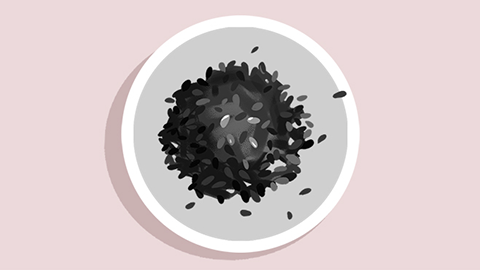
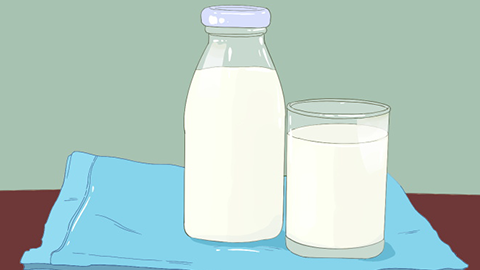
Adequate calcium supplementation is recommended for osteophyte formation, including consumption of calcium-rich foods such as milk, small fish, shrimp, wood ear fungus, kelp, nuts, and sesame seeds. We hope this information proves helpful to you.


