


Can cervical spondylosis cause dizziness?

Many young people today are prone to cervical spondylosis, as they often spend prolonged periods working at desks while maintaining a fixed neck posture. When cervical spondylosis develops, various uncomfortable symptoms may arise—causing significant distress and even interfering with patients’ daily lives and work. So, can cervical osteophytosis (bone spurs) cause dizziness?
Can cervical osteophytosis cause dizziness?
Yes, cervical osteophytosis can cause dizziness. After osteophyte formation in the cervical spine, the vertebral artery—located within the transverse foramina—may become compressed, resulting in insufficient cerebral blood supply and subsequent dizziness. The brain, particularly the cerebellum, relies primarily on the vertebrobasilar arterial system for its blood supply. Cervical osteophytosis—especially at the uncovertebral joints—can compress the vertebral artery as it passes through the transverse foramina, triggering arterial spasm and constriction, slowing blood flow, reducing cerebral perfusion, and ultimately causing cerebral ischemia and hypoxia. Patients may then experience dizziness, headache, and other related symptoms.
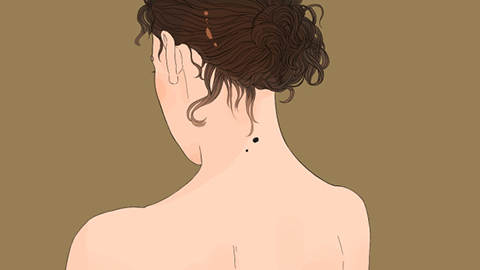
During clinical examination, dizziness symptoms often worsen with cervical movements—including flexion, extension, rotation (left/right), and lateral bending (left/right). This pattern strongly suggests that the dizziness originates from cervical pathology and is termed “cervicogenic vertigo.” For patients with cervical spondylosis, maintaining proper sleeping posture can effectively alleviate dizziness. It is generally recommended that such patients sleep on their right side and use an appropriately sized pillow—neither too high nor too low—to help minimize dizziness.
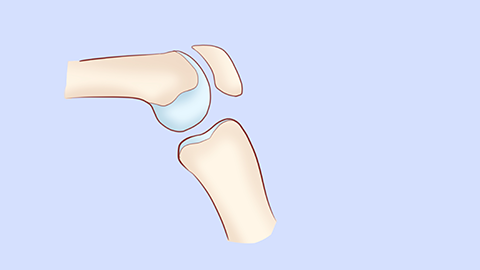
Patients are also advised to apply warm compresses to the cervical region, which helps accelerate local blood circulation and thereby improve dizziness symptoms. We hope this information proves helpful to you.


