


How is degenerative arthritis treated?

The human body contains numerous joints distributed across various anatomical locations, including the knee joint. Many factors in daily life can lead to joint disorders. Degenerative knee osteoarthritis is a particularly serious condition; timely treatment is essential upon diagnosis, as untreated disease may significantly impair quality of life. So, how is degenerative osteoarthritis treated?
How Is Degenerative Osteoarthritis Treated?
Degenerative osteoarthritis can be managed through surgical intervention, conventional Western medical therapies, and other approaches. Degenerative knee osteoarthritis shares certain clinical symptoms with degenerative lumbar disc herniation. Importantly, this degenerative joint change is typically irreversible. Therefore, effective clinical management requires thorough assessment and individualized evaluation of disease severity. When symptoms are severe—especially when they substantially interfere with daily functioning—surgical treatment may be indicated. Degenerative knee osteoarthritis is relatively common; once diagnosed, treatment with Western pharmaceuticals should be tailored according to disease severity. For instance, when patients experience knee pain, analgesics and anti-inflammatory agents may be prescribed to alleviate discomfort.
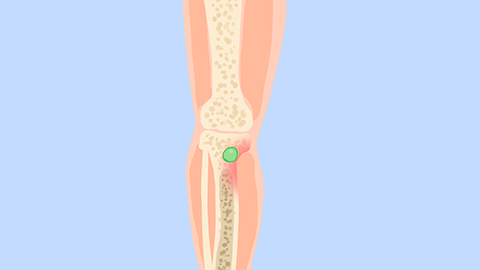
Degenerative joint disease primarily results from trauma, chronic overuse, obesity, and infection. Untreated joint injuries accelerate joint degeneration and predispose individuals to degenerative osteoarthritis. Repetitive heavy physical labor increases mechanical stress on articular cartilage, leading over time to progressive cartilage wear and eventual degenerative osteoarthritis. Excess body weight elevates mechanical load on weight-bearing joints, accelerating joint tissue degradation and thereby increasing the risk of degenerative osteoarthritis.
In daily life, patients should consume a diet low in protein and fat. We hope this information proves helpful.


