


How to Prevent Osteophyte Formation
Aug 24, 2022
Source: Cainiu Health

Dr. Lin Yunfei
Introduction
Note: Avoid prolonged, high-intensity physical activity. Long-term, excessive, and intense exercise or movement is one of the primary triggers of osteophyte formation. This is especially true for weight-bearing joints—excessive motion increases mechanical stress on the joint surfaces and accelerates wear. Prolonged, high-intensity exercise can also subject bones and surrounding soft tissues to excessive mechanical stress and stretching, leading to localized soft tissue injury.
Most people are likely familiar with osteophytosis (bone spur formation), a common condition—but familiarity does not necessarily equate to understanding. You may know many friends or acquaintances who suffer from this disorder and feel uncertain about how to manage it. Consequently, you’re probably eager to learn about effective treatment options—and, importantly, how to prevent it.
How to Prevent Osteophytosis
Avoid prolonged, high-intensity physical activity. Chronic, excessive, or overly strenuous exercise or movement is one of the primary triggers of osteophytosis. This is especially true for weight-bearing joints: overuse increases mechanical stress on joint surfaces and accelerates cartilage wear. Similarly, long-term vigorous exercise can subject bones and surrounding soft tissues to excessive mechanical stress and stretching, leading to localized soft-tissue injury and uneven stress distribution across bone and periosteal surfaces—ultimately promoting osteophyte formation. That said, regular, moderate physical exercise remains an important preventive strategy. Avoiding intense, prolonged activity does not mean avoiding exercise altogether; rather, appropriate physical activity is one of the most effective ways to help prevent osteophytosis.
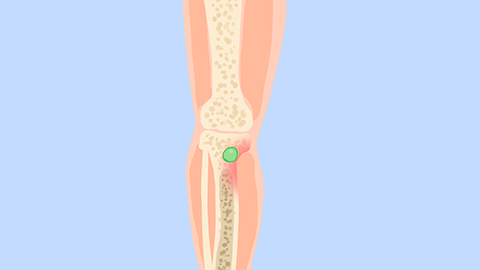
Osteophytosis may arise from primary (idiopathic) causes or secondary factors. As the body begins to undergo age-related decline around age 35, joints gradually degenerate. During this process, bones and joints may develop various disorders—including osteoarthritis and osteophytosis. Trauma or surgery can also contribute: structural alterations in bone and joint anatomy, along with varying degrees of cartilage damage resulting from injury or surgical intervention, increase susceptibility to osteophyte formation.
Maintain proper posture during daily activities. When reading or writing, sit upright—avoid slouching or bending forward excessively. We hope this information proves helpful to you.


