


Does astigmatism affect pupillary distance?

Many people have astigmatism, which can severely impair normal vision. When viewing objects, images often appear blurry, and double shadows may even occur—causing significant difficulties in daily learning and work. To rapidly alleviate these symptoms, it is essential to first understand the correct treatment methods. But does astigmatism affect pupillary distance (PD)?
Does Astigmatism Affect Pupillary Distance?
Astigmatism itself does not directly alter pupillary distance; however, individuals with astigmatism typically have a PD ranging from 52 mm to 64 mm. When astigmatism is present, prompt consultation with an ophthalmologist is recommended. Initial evaluation should include slit-lamp biomicroscopy to examine the ocular surface and assess for signs of inflammation. Since inflammatory conditions can induce abnormal refractive states—including astigmatism—timely anti-inflammatory treatment is necessary. Additionally, visual fatigue must be evaluated: factors such as sleep deprivation, poor sleep quality, and prolonged near-work can contribute to or exacerbate astigmatism. In such cases, topical ophthalmic solutions may be prescribed to relieve fatigue and improve microcirculation.
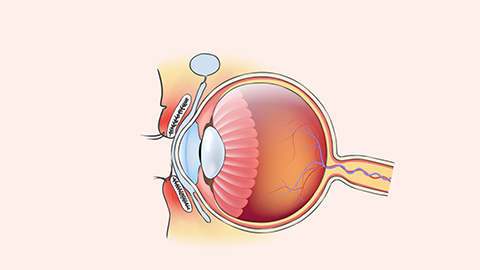
In general, trial fitting of corrective eyeglasses (frame glasses) is recommended. This approach helps maintain proper refractive status during visual development and prevents further progression of astigmatism. During frame-glass fitting, accurate measurement of pupillary distance is essential—typically falling within the range of 52 mm to 64 mm.
In daily life, patients should maintain a positive mindset, actively cooperate with their physicians, adhere strictly to prescribed medication regimens (both dosage and timing), and practice appropriate self-care—thereby facilitating faster clinical improvement. We hope this response has been helpful to you.


