


How to Treat Cervical Spondylosis
Aug 24, 2022
Source: Cainiu Health

Dr. Lin Yunfei
Introduction
Cervical spondylosis can be treated through measures such as maintaining proper sitting posture, selecting an appropriate pillow, ensuring comfortable and restorative sleep, and adjusting sleep habits—along with correcting poor habitual postures adopted during work. Improper working posture not only compromises treatment efficacy but is also a primary cause of disease onset, progression, and recurrence; thus, it must be taken seriously. Furthermore, incorrect sleeping posture can easily lead to low back and leg pain.
As the pace of modern life accelerates, work-related stress is gradually increasing, and prolonged sitting postures contribute significantly to the development of cervical spondylosis. However, many individuals remain unaware that they suffer from this condition. Therefore, once diagnosed with cervical spondylosis, it must not be ignored—prompt treatment is essential. So, how is cervical spondylosis treated?
How to Treat Cervical Spondylosis
Cervical spondylosis can be managed through maintaining proper sitting posture, selecting an appropriate pillow, ensuring comfortable and restorative sleep, and adjusting daily sleep habits—particularly by correcting habitual poor postures adopted during work. Suboptimal working posture not only compromises treatment efficacy but also constitutes a primary factor in the onset, progression, and recurrence of this condition; thus, it warrants serious attention. Improper sleeping posture may not only trigger or exacerbate low back and leg pain but also precipitate or worsen cervical spondylosis. Consequently, consciously improving and optimizing cervical alignment during sleep—and carefully selecting pillow height and firmness—is critically important.
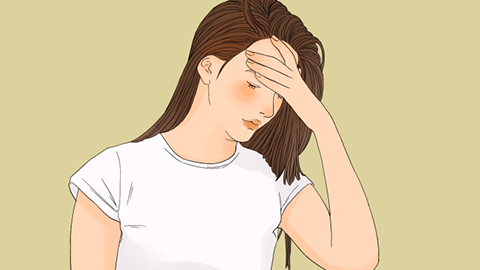
There are numerous preventive and therapeutic approaches for cervical spondylosis. In daily life, individuals should practice rational physical self-care, maintain a balanced schedule of activity and rest, and avoid neck pain. Such measures are also highly effective for prevention. Patients diagnosed with cervical spondylosis may receive treatment via pharmacological or physical modalities. Symptoms of cervical spondylosis are typically quite apparent; therefore, timely recognition and intervention are crucial. Regular exercise is strongly recommended, as it effectively helps prevent immunosuppression. Maintaining an optimistic outlook and positive attitude is equally vital. Individuals with suspected or confirmed cervical spondylosis should seek medical evaluation at a hospital without delay.
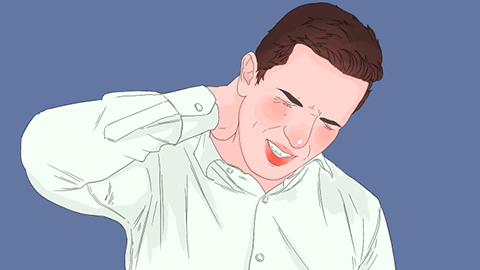
In daily life, keep the neck warm, avoid prolonged smartphone use with the head bent downward, and refrain from working with the head tilted forward for extended periods. At night, avoid using pillows that are excessively high. We hope this information proves helpful to you.


