


What is tenosynovitis?

Tenosynovitis is an inflammatory condition caused by overuse of a joint, leading to wear and tear of the tendon and its surrounding tendon sheath. Patients should avoid prolonged work hours and perform wrist and finger exercises after work. For individuals who spend extended periods working at a desk, it is advisable to support the wrists rather than keeping them suspended in mid-air for long durations. But what exactly is tenosynovitis?
What Is Tenosynovitis?
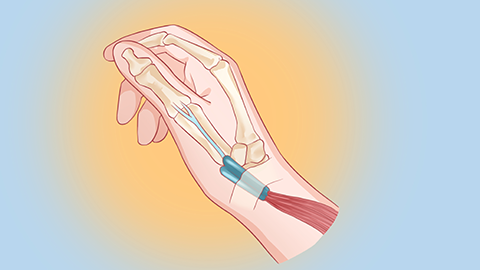
Tenosynovitis refers to an aseptic inflammation of the tendon sheath—the protective covering surrounding a tendon. Its causes may include exposure to cold, overexertion, and fatigue. The primary symptom is pain—particularly over bony prominences such as the wrist and fingers. Due to relatively poor or absent blood supply in these areas, once inflammation develops, it often fails to resolve spontaneously. Tenosynovitis commonly affects tendons crossing joints or bony prominences—such as those in the wrist or fingers. Pain tends to persist and usually requires treatment with medications, physical therapy, or even corticosteroid injections; in more severe cases, surgical intervention may be necessary.
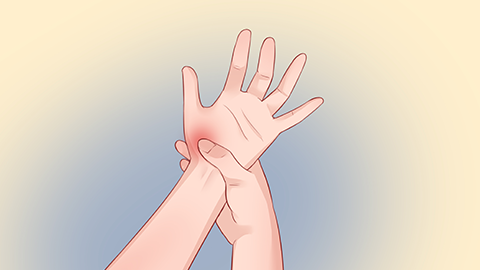
The etiology of tenosynovitis may involve cold exposure, overexertion, and fatigue. The hallmark symptom is persistent pain—especially over bony prominences like the wrist and fingers. This pain often endures and typically necessitates pharmacologic treatment, physical therapy, or corticosteroid injections; in more severe cases, surgery may be required.
In daily life, patients should maintain a positive mindset, actively cooperate with their physicians during treatment, take prescribed medications on time and in correct dosages, and pay close attention to routine self-care—thereby facilitating prompt improvement of their condition. We hope this response has been helpful to you.


