


Can people with hypotension consume goji berries?
Aug 24, 2022
Source: Cainiu Health

Dr. Li Man
Introduction
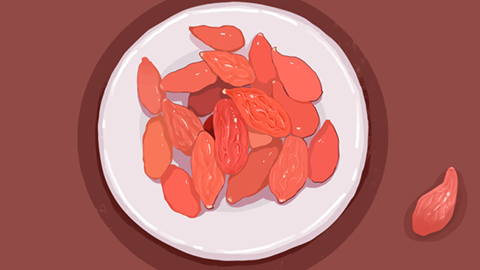
People with hypotension can consume goji berries. For instance, individuals with low blood pressure may appropriately include goji berries in their diet, as these berries nourish the yin, tonify the kidneys, help regulate blood pressure, and serve as an adjunctive therapy for hypotension. Thus, moderate consumption offers significant benefits. The primary goal for individuals with hypotension is to cultivate healthy lifestyle and dietary habits—specifically, enhancing nutritional intake by consuming nutrient-rich foods and ensuring a balanced, well-rounded diet.
Not only hypertension but also hypotension can adversely affect health. Individuals with hypotension often experience symptoms such as dizziness and generalized weakness, frequently feeling lethargy and fatigue in daily life—significantly impairing normal functioning. When physical discomfort arises, timely intervention and regulation are essential. So, can individuals with hypotension consume goji berries (Lycium barbarum)?
Can Individuals with Hypotension Consume Goji Berries?
Yes, individuals with hypotension may safely consume goji berries. For instance, moderate intake of goji berries is generally recommended for those with low blood pressure, as they possess properties that nourish the yin, tonify the kidneys, help regulate blood pressure, and serve as an adjunctive therapy for hypotension. Therefore, appropriate consumption offers considerable benefits. The primary focus for hypotensive patients should be cultivating healthy lifestyle and dietary habits: ensuring adequate nutrition by consuming nutrient-dense foods and maintaining a balanced diet. Emotional stability should also be prioritized—avoiding anxiety, anger, and excessive fatigue. Incorporating gentle aerobic exercises daily—such as cycling, brisk walking, swimming, or other aerobic activities—can significantly enhance the body’s resistance to disease and aid in regulating blood pressure.
Hypotensive individuals may include nutrient-rich foods in their diet, such as organ meats, lean meats, dairy products, soy-based foods, and fresh fruits and vegetables—including bananas, apples, oranges, grapefruits, and dragon fruit—as well as qi- and blood-tonifying foods like sea cucumber, ginseng, bird’s nest, longan fruit, and red dates. It is crucial for patients to identify the underlying cause of their hypotension and receive targeted treatment accordingly. In daily life, dietary adjustments are equally important; however, overeating should be avoided. Instead, smaller, more frequent meals are recommended, and excessive intake of carbohydrates should be limited. Moderately increasing dietary sodium intake may be beneficial, and patients should ensure adequate fluid intake—drinking warm boiled water regularly throughout the day.
When hypotensive symptoms occur, prompt medical consultation and treatment are essential to prevent disease progression. We hope this information proves helpful to you.


