


Can hypotension cause dizziness and nausea?
Aug 24, 2022
Source: Cainiu Health

Dr. Li Man
Introduction
Hypotension can cause dizziness and nausea. In patients with hypotension, reduced blood volume and inadequate tissue perfusion lead to cerebral vascular insufficiency. When cerebral vascular insufficiency occurs, it may manifest clinically as dizziness and nausea; in severe cases, vomiting may also occur. At this time, certain antihypotensive agents—such as Shengmai Yin—may be used to raise blood pressure.
Generally, individuals with colds, fever, or other illnesses often experience discomfort; some patients may develop dizziness and nausea during the onset of illness. Such symptoms can adversely affect health, and persistent dizziness and nausea may impair work performance and daily life. Can low blood pressure cause dizziness and nausea?
Can low blood pressure cause dizziness and nausea?
Yes, low blood pressure (hypotension) can indeed cause dizziness and nausea. In patients with hypotension, reduced blood volume leads to inadequate tissue perfusion—including insufficient cerebral blood flow—resulting in cerebrovascular insufficiency. When this occurs, symptoms such as dizziness and nausea may arise; in severe cases, vomiting may also manifest clinically. At this stage, certain medications—such as Shengmai Yin (a traditional Chinese herbal formula)—may be used to help elevate blood pressure. Moreover, severe hypotension may produce shock-like symptoms, including pallor, profound dizziness, and blurred vision. Patients may also exhibit bradycardia (slow pulse) and cold, clammy extremities. Therefore, fluid replacement is essential in such cases. Additionally, treating the underlying primary disease is crucial, as managing hypotension addresses the root cause of its associated complications.
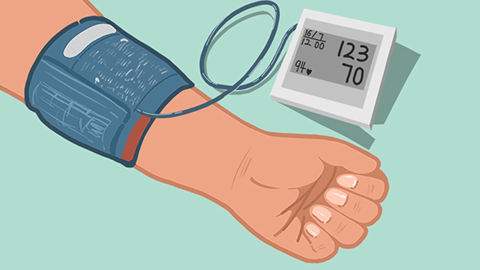
Quit smoking, limit alcohol consumption, and drink plenty of warm water. Maintain good sleep hygiene and emotional well-being; avoid staying up late, and ensure bathwater temperature is not excessively hot—also limit bathing duration. Engage in regular physical activity, but avoid exercises involving abrupt postural changes or excessive intensity. Walking, slow jogging, and swimming are appropriate choices; ensure breathing remains comfortable after exercise, and avoid excessively hot baths or prolonged soaking in hot springs.
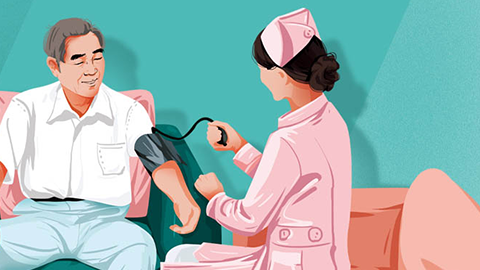
In daily life, maintain a regular, balanced diet—avoid spicy, irritating foods, overeating, or binge eating—and refrain from staying up late. We hope this information proves helpful to you.



